A possible deal to restore Russian gas flows through Ukraine could become part of renewed efforts to bring Moscow to the negotiating table and end the war. The idea is being discussed in Washington as diplomatic activity around a possible ceasefire gains momentum.
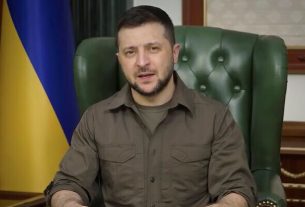
After talks with Ukrainian President Volodymyr Zelensky in Oslo, US special envoy Steve Witkoff travelled to St Petersburg last week to meet Russian President Vladimir Putin. All sides appear open to fresh negotiations, and Washington is pressing for faster progress.
According to a report in The New York Times, Witkoff and Jared Kushner have discussed an economic arrangement that could offer Moscow financial incentives to end the fighting. At its centre is the possible reopening of Russian gas transit through Ukrainian pipelines.
Such a deal could allow Russia to earn revenue from energy exports again, while Ukraine would receive transit fees. European consumers could also benefit from lower energy prices. Kremlin spokesman Dmitry Peskov said renewed energy cooperation would be in Russia’s interest, although it remains unclear whether the proposal would become part of formal peace talks.
For the European Union, however, the plan is highly sensitive. The bloc has committed to phasing out Russian gas imports, and any economic rapprochement with Moscow could create new political tensions within Europe.
Experts also doubt that money alone would persuade the Kremlin to compromise. Russia’s aims in the war extend well beyond economic interests.
The territorial question remains the hardest obstacle. Russian forces continue to occupy large parts of Ukraine, while Kyiv rejects any recognition of those areas as Russian territory. A ceasefire might halt the fighting, but it would not necessarily resolve the underlying conflict.
Talks expected in November could bring fresh movement. Yet a durable peace agreement still appears distant.