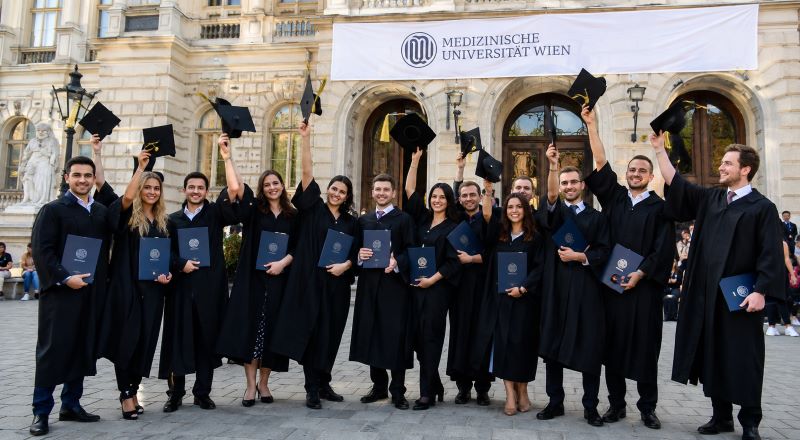
Medical graduates: two out of three German citizens leave Austria
Two out of three German medical graduates trained at Austrian universities leave the country within three years of finishing their studies. The figures, published by Statistics Austria, reveal a striking pattern: Austria educates many future doctors from Germany, but often does not keep them after graduation.statistik+1
Among German citizens who completed a medical diploma or master’s degree in Austria between 2008/09 and 2021/22, 69.8 percent of men and 68.8 percent of women moved abroad within three years. The rate was highest for the 2010/11 graduating class, when 82 percent left, but it has since declined; for the 2021/22 class, the figure fell to 53.6 percent.statistik+1
For Austrian medical graduates, the contrast is sharp. Only 7.2 percent of men and 6.9 percent of women with Austrian citizenship leave the country within three years of completing their degree.statistik+1
A changing trend
The decline offers a cautious note of hope. Since 2012/13, the share of German medical graduates leaving Austria has generally fallen, and the 2021/22 cohort recorded the lowest emigration rate so far.statistik+1
Still, the scale of departure remains considerable. Less than one-third of German medical graduates—27.1 percent of men and 26.8 percent of women—were employed in Austria 18 months after graduation. By comparison, around 70 percent of all medical graduates were working in Austria at that point.statistik+1
Other EU citizens also leave frequently. Among graduates from EU countries other than Austria and Germany, between 39.7 and 64.9 percent departed within three years, depending on the graduating year.statistik
Doctorates and wider patterns
Medicine is not the only field where graduates leave. Across all degree types and nationality groups, doctoral graduates show the highest emigration rates, reaching up to 26 percent. Master’s and bachelor’s graduates follow, while holders of traditional diploma degrees are least likely to leave.sn
Nationality shapes the pattern strongly. German graduates are the most likely to leave after bachelor’s, master’s, and diploma programmes. After doctorates, however, graduates from non-EU countries show the highest departure rate, at up to 73 percent. Among Austrian citizens, doctoral graduates are the group most likely to emigrate, at 10.1 percent.sn
Work after graduation
The study also highlights major differences in early careers. Eighteen months after graduating, education graduates were most likely to be employed: 77.6 percent of men and 70.0 percent of women in that field were working.sn
In contrast, only 46.6 percent of male and 47.5 percent of female graduates in the humanities and arts were employed in Austria. Yet many were not simply unemployed: 19.9 percent of men and 17.9 percent of women in that field had entered further formal education.sn
The figures raise an uncomfortable question for Austria’s universities and health system: if the country trains doctors who then leave, how much of that investment remains at home?