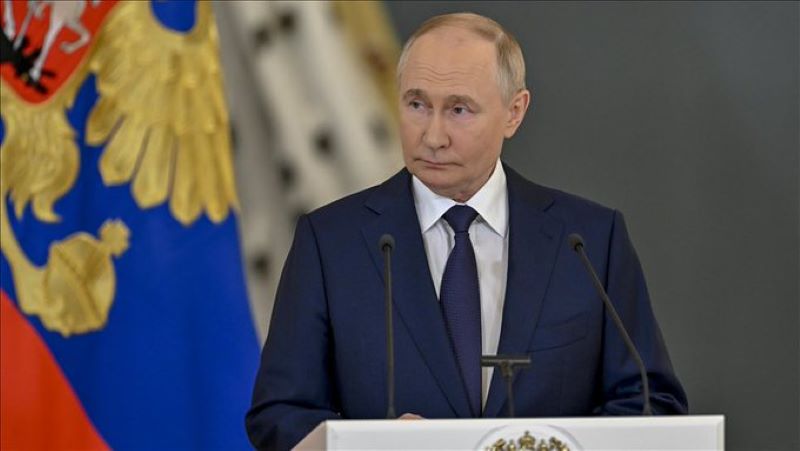
In a late-night address from the Kremlin, Russian President Vladimir Putin offered direct peace talks with Ukraine in Istanbul next Thursday — but without agreeing to the immediate ceasefire demanded by European leaders.
His proposal followed strong warnings from European powers, who had issued an ultimatum: unless Russia agrees to a 30-day unconditional ceasefire starting Monday, tougher sanctions and more military support for Ukraine would follow. Putin rejected what he called the “boorish” tone of these demands, insisting Russia would pursue peace on its own terms.
Putin’s counteroffer of talks without a ceasefire has sparked skepticism. Many analysts view the move as a tactic to buy time, prolong the war, and possibly deepen divisions between the United States and Europe, who have stood united in support of Ukraine.
UK opposition leader Sir Keir Starmer had said, “If he [Putin] is serious about peace, then he has a chance to show it.” The Kremlin responded: “We are serious — but in our own way.”
Russia, believing it currently holds the upper hand on the battlefield, sees little benefit in pausing its military operations. Still, it wants to appear open to dialogue, especially as it tries to strengthen ties with the Trump-led U.S. administration, hoping that could lead to sanctions relief and economic recovery.
Putin’s vague statement that ceasefires might “not be excluded” in future talks was met with doubt in Kyiv and elsewhere. European leaders remained cautious. French President Emmanuel Macron called the proposal “a first step, but not enough,” stressing that a true ceasefire should come before any negotiations.
Putin’s sudden announcement, made during a tightly controlled media event with no questions allowed, left many wondering about his true intentions. While he painted himself as a man of peace, his refusal to stop the war casts a long shadow over his words.