

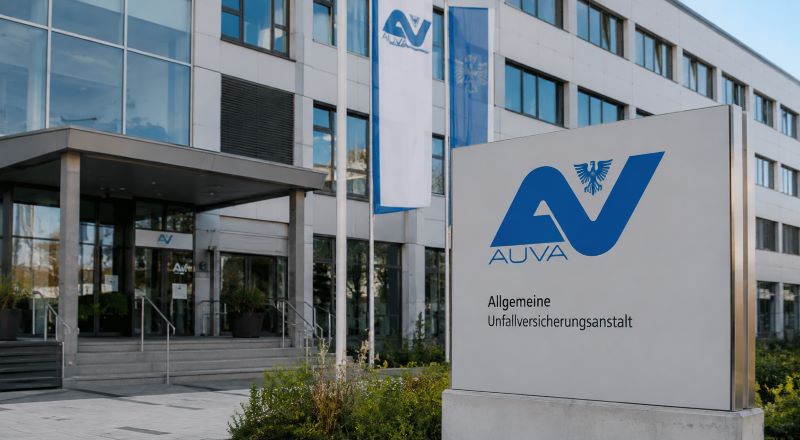
Austria’s accident insurer is sounding an alarm that is growing harder to ignore. The General Accident Insurance Institution, known as AUVA, is heading toward a financial storm, according to the news magazine “profil”.
Citing the institution’s financial forecast from May, the magazine reports that losses could balloon before the decade ends. By 2030, the accumulated balance sheet deficit may reach half a billion euros. The red ink is expected to cross the 100-million mark for the first time in 2029, with a shortfall of 119 million euros, followed by 105 million in 2030. The forecast does foresee extra revenue of more than 240 million euros between 2025 and 2030, but spending, absent countermeasures, is set to climb far higher.
The trouble is not entirely new. In 2024, the latest annual report shows, the operating result was negative by 80 million euros, and past losses were covered by dipping into reserves. Those reserves are now thinning. Bank deposits have fallen from 193 million euros in 2020 to 71 million, of which 30 million is tied up long term. In 2025 they dropped by another 20 million, to 51 million. Money, in short, is slowly running out.
In a statement, AUVA acknowledged the pressure to act. It pointed to changed financial conditions, made worse by additional duties, rising costs and necessary investments. The insurer, financed almost entirely by employer contributions, noted that those contributions have been cut repeatedly since 2014. Between 2019 and 2026, the lost income adds up to nearly 1.5 billion euros, money that could have funded services and investments for the people it protects.
“A limit has been reached,” the institution declared, arguing that new tasks and higher costs cannot be carried forever on a shrinking income base. It invited the federal government, the provinces, the social partners and lawmakers to open a joint dialogue. Its message was plain: when new responsibilities are handed over, or services are provided for other parts of the health and social system, the necessary funding must follow.
For AUVA, the question is no longer whether the pressure is real, but who will help carry the weight.





