Iran and the United States have launched a fourth round of nuclear negotiations in Oman, with both sides aiming to ease tensions over Tehran’s growing nuclear program. The talks come just days before former President Donald Trump is set to visit the Middle East, raising the stakes of the discussions.
Held in the neutral Gulf nation of Oman, the talks are being mediated by Omani Foreign Minister Badr Al-Busaidi. As in previous rounds, both direct and indirect discussions are expected. While details remain limited, it is clear that the atmosphere is tense and the goals are ambitious.
The main objective of the talks is to limit Iran’s uranium enrichment activities in return for relief from the heavy U.S. economic sanctions. These sanctions have put severe pressure on Iran’s economy and fueled long-standing hostilities between the two nations, which date back nearly fifty years.
Leading the negotiations are Iranian Foreign Minister Abbas Araghchi and U.S. Mideast envoy Steve Witkoff. Although they have met face-to-face in earlier rounds, most of the discussions are believed to be carried out indirectly, with Al-Busaidi relaying messages between them.
A key sticking point remains Iran’s insistence on continuing uranium enrichment, which it views as a national right. Araghchi made clear before departing Tehran that Iran would not compromise on this issue. He described the enrichment program as a hard-won achievement, claiming it was paid for in the blood of Iranian nuclear scientists.
On the other hand, Witkoff has taken a firm stance, demanding that Iran completely halt all enrichment. In a recent interview, he stated that Iran’s nuclear facilities must be dismantled entirely, calling this the U.S.’s “red line.”
Iran’s nuclear program was previously restricted under a 2015 deal, limiting enrichment to 3.67 percent. However, since the U.S. withdrew from the agreement in 2018, Iran has ramped up its activities, now enriching uranium up to 60 percent — dangerously close to weapons-grade levels.
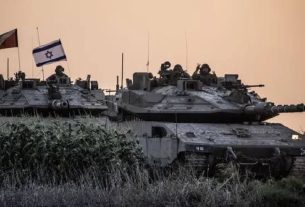
With the Israel-Hamas conflict still burning in Gaza and threats of military strikes from both Israel and the U.S., the outcome of these talks could have wide-reaching effects across the Middle East and beyond.