In a dramatic political shift, Bangladesh’s interim government has officially banned the Awami League, the ruling party of former Prime Minister Sheikh Hasina, amid serious charges of violence and crimes against humanity.
The ban follows a violent crackdown in July 2024, when mass protests across the country ended in bloodshed. According to United Nations estimates, as many as 1,400 people were killed during those protests. The government, led by Nobel Peace Prize winner Muhammad Yunus, claims the Awami League orchestrated the violence in an attempt to cling to power.
Sheikh Hasina, now living in self-imposed exile in India, is facing an arrest warrant issued from Dhaka. She stands accused of crimes against humanity linked to the violent suppression of demonstrators. All activities of the Awami League — including social media and online communications — have been frozen under the Anti-Terrorism Act until the party’s trial is complete.
Government advisor Asif Nazrul said the ban was vital for protecting the country’s “sovereignty and security,” as well as ensuring the safety of protesters, victims’ families, and witnesses. He added that justice must be served without political interference.
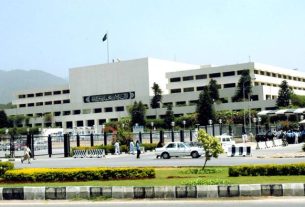
Meanwhile, Bangladesh’s parliament — under Yunus’s interim leadership — has passed a key amendment to the International Crimes Tribunal Act. This update now allows entire political parties and their affiliates to be prosecuted, a move many see as aimed squarely at the Awami League.
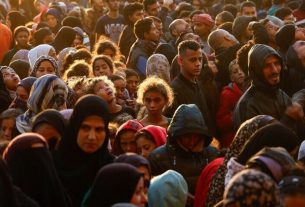
The party responded quickly, calling the decision “illegitimate” and politically motivated. Tensions rose further as thousands of citizens gathered outside Yunus’s residence, demanding the ban just a day earlier.
Adding to the turmoil, former Awami League leader Abdul Hamid left the country while under investigation. Three airport police officers have since been dismissed for negligence over his escape.
With the nation on edge and political uncertainty in the air, the future of Bangladesh’s democracy stands at a turning point.