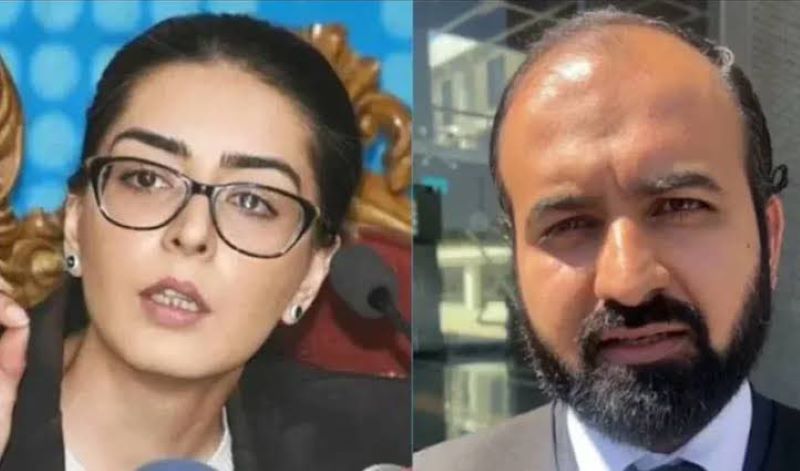
Pakistan: Lawyer Couple Jailed as Questions Grow Over Freedom of Expression
ISLAMABAD: A Pakistani anti terrorism court has sentenced human rights lawyer Imaan Zainab Mazari-Hazir and her husband, lawyer Hadi Ali Chattha, to 10 years in prison each in a case linked to an alleged security breach, adding to growing concerns over the treatment of dissenting voices in the country.
The verdict was announced on Thursday by a judge at a prison where the trial was held. The court also imposed fines under three legal provisions. The couple had pleaded not guilty to allegations that they removed barriers along a route secured for an international cricket team and encouraged public unrest, reported by Dawn News.
The prosecution presented seven witnesses, while a state-appointed defence lawyer cross-examined them. The court reserved its judgment on October 27 after hearing final arguments.
The couple maintains that the proceedings are a form of harassment linked to their legal and human rights work. Their case has drawn criticism from rights advocates, lawyers and journalists, who have raised concerns about due process, freedom of expression and the right to a fair trial.
Their latest sentences come amid a wider legal battle. The couple has been in custody since January following their arrest in a separate case arising from a protest outside a high court. A day after that arrest, they received 17 year prison sentences on charges relating to social media posts. Pakistan’s Supreme Court suspended those sentences in September, ordering their release pending a decision on their appeals. Police arrested them again hours later in the security related case.
The couple has also challenged court decisions allowing the latest trial to proceed, arguing that the charges and the use of anti-terrorism laws are unjustified.
Critics view the repeated prosecutions as possible reprisals against voices demanding the rule of law, civil liberties, press freedom and accountability for alleged human rights abuses under Pakistan’s current military influenced political system. These claims remain contested and must be assessed alongside the evidence and the legal process.
The case has become a test of public confidence in Pakistan’s justice system, highlighting the tension between state security claims and the fundamental freedoms that protect peaceful dissent.