Rights Groups Sue Trump Over ICC Sanctions Campaign
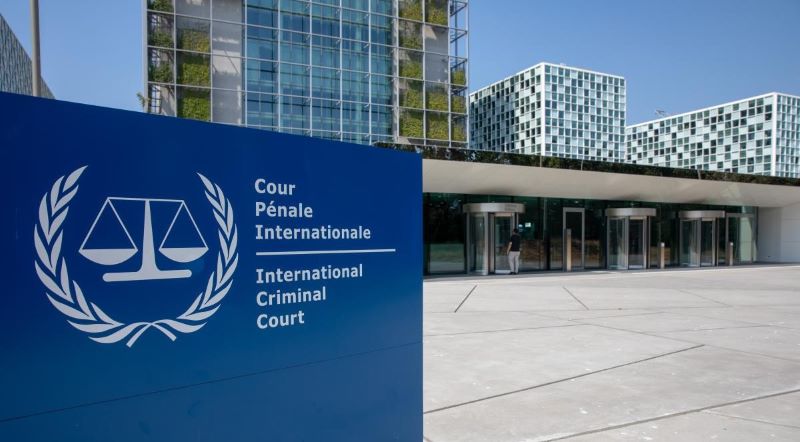
Four leading human rights organizations have filed a new lawsuit against the Trump administration, challenging its sweeping campaign against the International Criminal Court (ICC). The groups argue that U.S. sanctions against the court and those who work with it violate constitutional rights and undermine the global pursuit of justice for war crimes and genocide, according to Human Rights Watch.
The lawsuit, filed Tuesday in federal court in New York, names the American Friends Service Committee, the Center for Constitutional Rights, Human Rights Watch, and the Open Society Institute as plaintiffs. They charge that the administration’s sanctions force them to curtail a wide range of human rights and legal work, violating their freedom of speech and right to due process under the First and Fifth Amendments.
The groups also accuse President Trump of exceeding his authority by declaring a “pseudo national emergency” with no factual basis. “This executive order seeks to intimidate human rights defenders and deter people of conscience from advocating for the rights and dignity of others,” said Joyce Ajlouny, general-secretary of the American Friends Service Committee. “We are joining this lawsuit because we refuse to stay silent when the pursuit of justice is criminalized.”
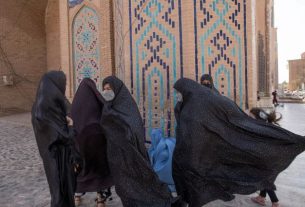
Trump escalated his approach to the ICC after taking office last year, issuing a February 2025 executive order that authorized sanctions against the court’s prosecutors, judges, and supporters. The order cited the ICC’s arrest warrants for Israeli Prime Minister Benjamin Netanyahu over alleged war crimes in Gaza, as well as an ongoing investigation into possible abuses by U.S. and foreign forces in Afghanistan. Since then, several ICC officials, Palestinian rights groups, and UN Special Rapporteur Francesca Albanese have been sanctioned.
The new lawsuit adds to earlier legal challenges, including cases filed by the DAWN rights organization, the Taxpayers Alliance Against Genocide, and ICC judges themselves. Last month, Secretary of State Marco Rubio promised to intensify pressure on the court, accusing it of “waging a war against our country” through international law. At least one member state, Chad, has cited U.S. pressure in announcing its withdrawal from the ICC.
Legal experts note that no U.S. citizen has ever been prosecuted by the ICC, and the U.S. is not a party to the court’s founding Rome Statute. Still, federal judges in Maine and New York ruled last year that Trump’s order violated the constitutional rights of advocates and academics who provide expertise to the court.
The four groups say the sanctions have stopped them from representing war crimes victims, making legal submissions to the ICC, and collaborating with Palestinian human rights organizations. “These sanctions are an assault on the rule of law, independent judges and prosecutors, and civil society in the United States and around the world,” said James Goldston of the Open Society Justice Initiative.