

TEHRAN, Sep. 25 (MNA): The full story of America’s war against Iran has not yet been told. What the public knows comes mostly from official statements, media summaries and scattered documents, a partial picture in which important details still lie in the shadows.
It is too early to measure the true cost of a conflict that Washington once expected to be brief. Instead, it has stretched into months, tying down large parts of the US military in the region and testing the limits of its readiness and morale.
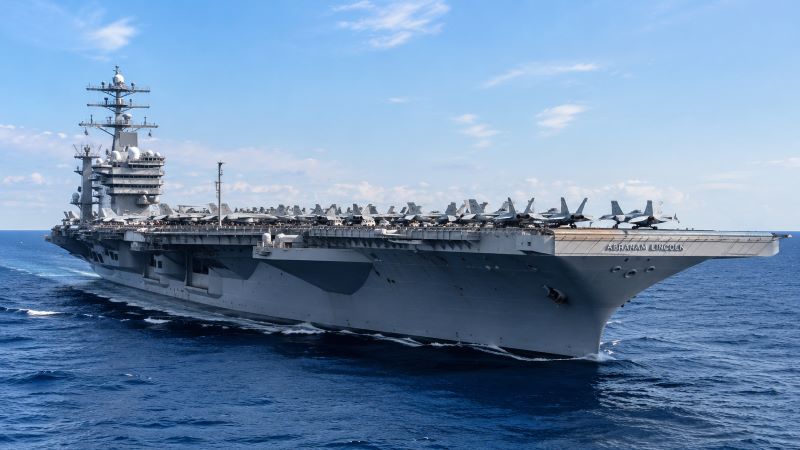
The aircraft carrier USS Abraham Lincoln offers a revealing glimpse. According to an ABC News report, the Acting Secretary of the Navy confirmed in a letter to Congress that eight suicide attempts were recorded among personnel of the carrier’s strike group since deployment began. These cases involved not only the ship’s crew but also members of the air wing, strike group staff, accompanying destroyers and aviation squadrons.
Navy officials say the number does not necessarily exceed normal rates for long deployments and that each case is treated seriously. Yet the Lincoln’s mission was far from routine. Originally planned as a six month Pacific tour, the war redirected the carrier to the Middle East, extending its time at sea to 286 days, more than 200 of them in the operational zone. Families of some service members have spoken of the strain caused by the prolonged absence.
In August, the Acting Secretary of the Navy acknowledged that the war had disrupted schedules and placed heavy burdens on forces, citing 266 days of deployment, 200 days in a combat zone, over 10,000 flight sorties and roughly 1.5 million pounds of munitions used. Alongside these figures, other reports have described restricted contact with families, changes to meal plans during difficult resupply periods, technical problems and the mental toll of extended missions.
The Lincoln is more than a story about eight suicide attempts. As one of the most visible symbols of American military power, its experience raises wider questions: if a carrier group faces such pressures after nearly 300 days, what conditions are other US units enduring at bases, on ships and in forward positions?
Information about the real performance and condition of the US military in this conflict typically emerges slowly. Some data remains classified; other details surface months later through congressional reports, audits, investigations, testimonies or media inquiries. The Navy keeps extensive operational logs and ship records, but public access is limited.
What is known about the Lincoln today may be only one piece of a larger puzzle. Eight suicide attempts alone do not prove systemic failure, but combined with the length of deployment, combat exposure, operational strain and acknowledged hardships, they point to a more complex reality behind the image of American military might.
It may take months or years before the full cost of this war becomes clear. Until then, the Lincoln stands as both a symbol and a warning: what has been disclosed so far may be only the beginning of a longer, harder story about the human and operational price of a prolonged conflict.





