Austria’s new coalition government made up of the ÖVP, SPÖ, and NEOS has now been in office for seven weeks. At first, many people doubted the alliance would work because the parties have very different views. But so far, the coalition has shown surprising strength and unity, even during tough times.
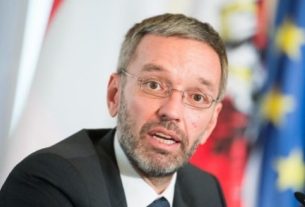
The SPÖ’s choice of Finance Minister, Markus Marterbauer, who supports higher taxes on the wealthy, raised concerns among the more conservative ÖVP and NEOS. With Austria facing a record budget deficit and the risk of getting into trouble with the European Union over its finances, many wondered if these parties could find common ground. Still, the government has managed to stay together. A big reason might be their shared goal of stopping FPÖ leader Herbert Kickl from gaining more power, something none of the three parties wants.
Chancellor Christian Stocker of the ÖVP, who wasn’t originally a popular choice, is now seen as a calm and reliable leader. He is not flashy, but in these uncertain times, many Austrians seem to trust his steady leadership. Current polls show the ÖVP holding second place behind the FPÖ, and just ahead of the SPÖ.
NEOS leader Beate Meinl-Reisinger, now serving as foreign minister, has made a strong impression, and her party’s membership has grown by 30 percent since the coalition began. SPÖ leader Andreas Babler has also managed to avoid major mistakes so far.
While things are going well for now, experts warn the peace may not last forever. With the important Vienna election coming up, all parties are trying to avoid conflict. But once the election is over, they may face more pressure to deal with tough issues like the economy and spending.