VIENNA, September 19: Austria’s long-awaited climate law has entered a public review process, but the government’s promise to make the country climate neutral by 2040 has already drawn strong criticism from environmental groups and business leaders.
The proposed law is based on three main pillars: cutting emissions, adapting to climate change and promoting a circular economy. The government says Austria has already made major progress in protecting the climate. However, the first detailed climate roadmap is not expected until the end of 2027.
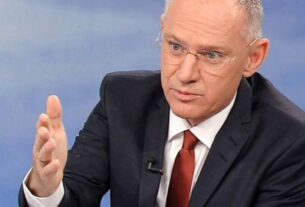
Environment Minister Norbert Totschnig of the Austrian People’s Party said the new targets would initially have a “declaratory character”. The government has described the law as a link between climate protection, economic development and innovation.
Environmental organisations are less convinced. Greenpeace said the 2040 climate-neutrality target had survived pressure from business groups, but only in a weakened form. The organisation criticised the lack of clear reduction pathways and warned that a clause allowing the targets to be reconsidered during serious economic difficulties could create a dangerous loophole, according to ORF News
Global 2000 welcomed the basic commitment to climate neutrality but said the law could become ineffective because the roadmap would not be binding and there would be no clear legal consequences if targets were missed. The WWF called the proposal a “deception package”, arguing that the 2040 goal would remain only a promise on paper without immediate action.
Climate economist Sigrid Stagl of Vienna University of Economics and Business described the draft as progress, but said it raised many unanswered questions. Under the proposed annual limits, Austria would have to cut greenhouse-gas emissions by about 2.75 million tonnes each year from 2026, reaching a 27% reduction by 2030.
Stagl said emissions in the affected sectors fell by 1.2 million tonnes in 2025, but still exceeded the permitted level by 800,000 tonnes. Even full implementation of the existing energy and climate plan could leave a gap of about seven percentage points, which might have to be covered by purchasing certificates at public expense.
Business organisations argue that climate neutrality should be reached by 2050, in line with the broader European target. The Austrian Economic Chamber said the earlier national deadline would shorten the transition period by 10 years and increase costs and investment pressure on companies.
The Freedom Party also warned of higher costs for households, workers and businesses. The Greens joined environmental groups in calling the 2040 pledge a weak promise, saying future generations would pay the price for delay.
The draft now faces further examination before it can become law.