Iran has issued stark warnings of immediate military retaliation against American forces in the Middle East, as tensions between Tehran and Washington reach a dangerous new peak, according to Al Jazeera News.
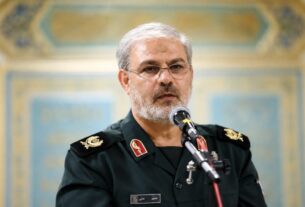
Speaking on state television, Iranian military spokesman Brigadier General Mohammad Akraminia delivered an unmistakable message: US aircraft carriers and military bases scattered across the Gulf region now sit squarely within range of Iran’s medium-range missiles. He emphasized that American naval vessels, despite their imposing presence, carry “serious vulnerabilities” that Iran is prepared to exploit.
The threat comes as US President Donald Trump intensified pressure on Iran, warning that time is rapidly running out for Tehran to negotiate a nuclear deal. Adding fuel to the fire, the European Union recently designated Iran’s Revolutionary Guards, the country’s elite military force, as a “terrorist organization,” a move that has infuriated Iranian officials.
As war clouds gather, the international community has scrambled to prevent catastrophe. United Nations Secretary General Antonio Guterres urgently called for renewed nuclear negotiations, warning that failure to de-escalate could trigger “devastating consequences” throughout the region. The specter of conflict in one of the world’s most volatile areas has alarm bells ringing in capitals worldwide.
Qatar has emerged as a potential mediator in the crisis. Sheikh Tamim bin Hamad Al Thani, Qatar’s leader, held talks with Iranian President Masoud Pezeshkian focused on finding ways to reduce tensions and restore stability. The Qatar News Agency reported that both leaders discussed “efforts being made to de-escalate” the situation.
The stakes couldn’t be higher. The Persian Gulf serves as a critical passage for global oil shipments, and any military confrontation could send shockwaves through world energy markets. Meanwhile, Iran’s nuclear program continues advancing, bringing the country closer to weapons capability, a red line for both the US and its regional allies.
With threats flying from both sides and diplomatic channels strained, the coming days will prove crucial in determining whether tensions explode into open conflict or cooler heads prevail.