VIENNA — Mayor Michael Ludwig has unveiled sweeping plans to reform Vienna’s social welfare system, signaling a dramatic pivot as the city grapples with mounting financial pressure and public backlash over perceived excesses in its safety net, as reported by Austrian Media News.
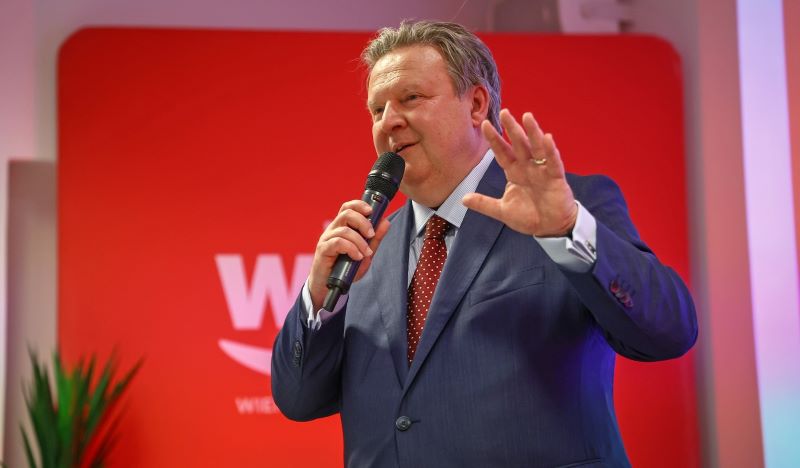
The announcement came Tuesday as Ludwig and NEOS Deputy Mayor Bettina Emmerling presented the new SPÖ-NEOS coalition agreement for the Viennese city government. Their program blends fiscal discipline with targeted modernization, aiming to balance a tightening budget while pushing forward with digital innovation and infrastructure investment.
A central focus: the controversial minimum income support program. Ludwig acknowledged growing criticism after cases, such as that of a Syrian family reportedly receiving €9,000 monthly in benefits, sparked headlines and public outrage. A recent report from the city’s financial authorities warned that Vienna’s current model of social aid may be financially unsustainable by next year.
In response, the new coalition pledges to evaluate the fairness and efficiency of the city’s welfare programs. Particular attention will be given to families with multiple children and how local aid interacts with federal benefits like child support, family allowances, and tax bonuses.
While defending Vienna’s tradition of strong social support, Ludwig noted in an ORF interview that budget realities demand structural savings across all departments—including the social sector. “This isn’t unusual,” he said, “but part of our overall strategy to secure long-term stability.”
The coalition agreement also outlines plans to transform Vienna into a leader in digital and high-tech industries. Projects under consideration include expanding the AI Life Science Center, fostering research in artificial intelligence and machine learning, creating a cybersecurity hub, and even bidding to host an “AI Gigafactory.”
At the national level, Austria’s federal government is developing a unified social welfare framework aimed at harmonizing benefits across all provinces. Social Minister Korinna Schumann emphasized the need to better support children through a proposed “basic child allowance,” shifting from cash to in-kind benefits, and directing employable recipients toward the labor market.
With public trust at stake, Vienna’s new leadership appears set to walk a tightrope between compassion and constraint—reshaping social welfare for a new era.