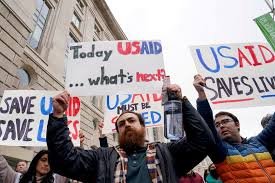
In Ghana and Kenya, insecticide and mosquito nets sit in warehouses because U.S. officials haven’t approved urgent anti-malaria campaigns. In Haiti, a group treating HIV patients awaits U.S. permission to dispense medicines that prevent mothers from giving the disease to their children. In Myanmar, where famine looms and the U.S is the single largest aid donor, one humanitarian worker described the situation as “mayhem.” Nearly three weeks into U.S. President Donald Trump’s sweeping freeze on foreign aid, life-saving programs across the globe remain shut as humanitarian workers struggle to secure U.S. government waivers meant to keep them open, dozens of aid workers and U.N. staff told Reuters. After Trump announced the 90-day freeze on January 20, U.S. Secretary of State Marco Rubio issued waivers for what he called “life-saving humanitarian assistance,” which included “core life-saving medicine, medical services, food, shelter, and subsistence assistance.” But aid workers and U.N. officials said the waivers had sparked widespread confusion, along with fears that their U.S. funding would never be restored. They said they couldn’t restart work without first confirming with their U.S. counterparts whether specific programs qualified for exemption. This was proving nearly impossible, they said, due to a communication breakdown with U.S. officials, some of whom had been fired or barred from talking.