A group of 36 countries has agreed to create a special tribunal to prosecute Russian President Vladimir Putin for the crime of aggression against Ukraine, marking what Kyiv calls a “point of no return” in the pursuit of justice, according to Euro News.
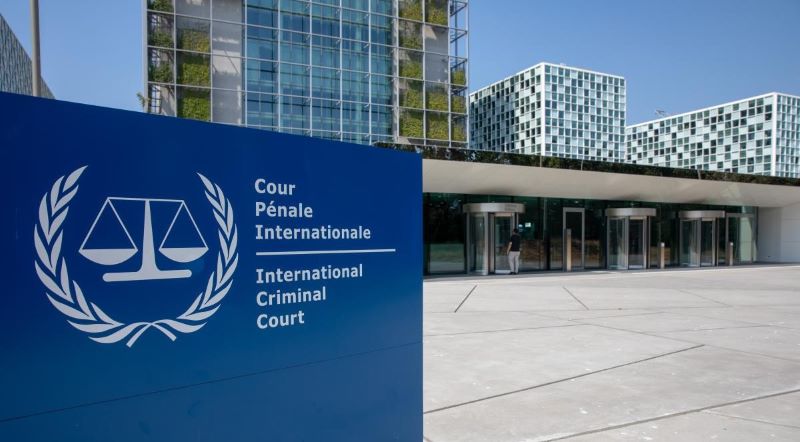
The tribunal, which will be based in The Hague, was formally approved during a meeting of foreign ministers from the Council of Europe. The body aims to fill a legal gap left by the International Criminal Court, which cannot prosecute Russia for this specific crime because Moscow is not a member.
Ukraine’s foreign minister, Andrii Sybiha, described the move as historic. He said few believed such a court would ever become reality, but now it stands as a symbol of accountability. Referring to Putin directly, he added that the Russian leader would be remembered in history “as a criminal.”
The tribunal will focus on the “crime of aggression,” which targets top leaders responsible for launching wars. This includes not only Putin, but also senior officials such as Russia’s prime minister, foreign minister, and top military commanders.
However, bringing Putin to trial will not be easy. As long as he remains in power, he cannot be tried in absentia, meaning he must be physically present in court. This makes any near-term prosecution unlikely. Other officials outside the top leadership circle could still be tried without being present.
The initiative has wide European backing, along with support from countries like Australia and Costa Rica. The European Union has also pledged financial support, while urging more countries to join. Still, the absence of strong backing from the United States has raised concerns about funding and political momentum.
Alongside the tribunal, a system is being built to collect claims from victims of the war and decide compensation. Leaders say these steps are essential for lasting peace.
Despite the legal and political challenges, supporters argue the tribunal sends a clear message: even the most powerful leaders can be held responsible for their actions.