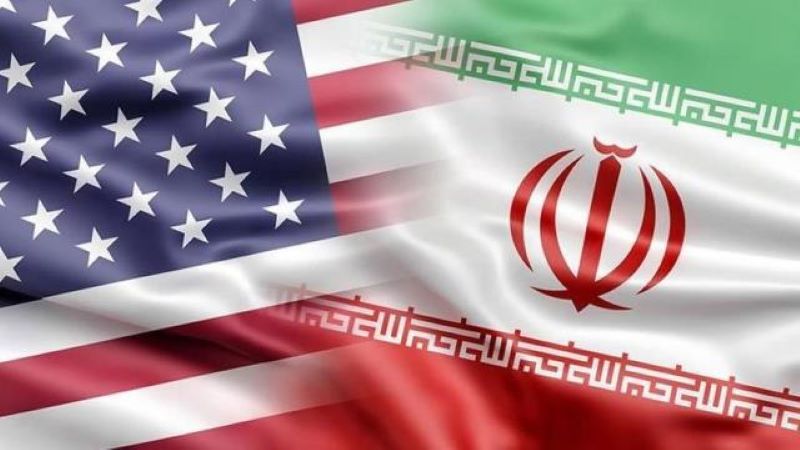
In a cautious sign of progress, Iran and the United States say they have reached an initial understanding on the main principles of a possible nuclear agreement after a second round of negotiations in Geneva. Iranian Foreign Minister Abbas Araghchi described the discussions as “very serious,” adding that “the path for a deal has started,” though important issues remain unresolved.
The talks mark a renewed effort to revive diplomacy over Iran’s nuclear program, which has long been a source of tension between Tehran and Washington. According to Iranian officials, both sides have agreed in principle on the broad framework of an accord that would limit Iran’s nuclear activities in exchange for relief from economic sanctions imposed by the United States and its allies.
However, deep differences still divide the two sides. The United States reportedly wants the negotiations to cover Iran’s missile arsenal and regional security concerns, while Tehran insists the talks remain strictly focused on nuclear matters. Iranian officials have also made clear that they will not accept a demand for zero uranium enrichment, arguing that peaceful nuclear enrichment is a sovereign right under international law.
Meanwhile, Iran’s Supreme Leader Ali Khamenei struck a defiant tone, declaring that the United States “will not be able to destroy the Islamic Republic.” His remarks highlight the domestic political pressure Iranian negotiators face as they weigh concessions against national pride and security.
Diplomats say the atmosphere in Geneva was more constructive than in previous rounds, but stress that a final agreement is far from certain. Negotiators must still settle technical limits on enrichment levels, verification measures, and the timing of sanctions relief.
For now, both sides appear willing to keep talking. While mistrust remains high, the tentative understanding reached in Geneva suggests that even longtime rivals may be searching for a way back to diplomacy.