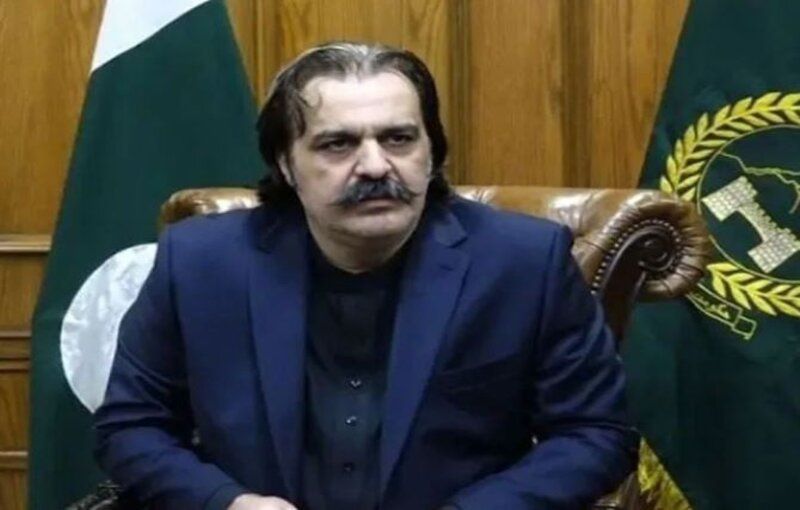
In the rugged tribal belt of Pakistan’s Khyber Pakhtunkhwa, Chief Minister Ali Amin Gandapur has sounded the alarm: mounting civilian casualties during military anti‑terror operations are corroding the fragile bond between Pashtune communities and the state security apparatus, reported by The Express Tribune.
The catalyst: the tragic Bajaur operation earlier this month, during which unarmed Pashtuns died amid clashes reportedly initiated without provincial consultation. Gandapur lamented that such incidents were eroding public trust in the army, declaring, “without public confidence, we cannot win the war against terrorism.” Compensation of Rs 10 million per deceased and Rs 2.5 million for those wounded was announced for both civilians and security personnel
While Gandapur reaffirmed his loyalty to the decisions of the All Parties Conference on security, he insisted that provincial authorities must be consulted—not overridden by military decree. Deputies were instructed to refrain from imposing curfews or Section 144 orders unless approved by the home department. The K‑P assembly will now consider revoking the controversial “Action in Aid of Civil Power” ordinance, which enabled military detention centres in tribal areas.
A series of jirgas—traditional Pashtun tribal councils—has been scheduled in the coming ten days across merged districts, culminating in a grand jirga including elders, stakeholders, and elected representatives. Gandapur affirmed that policy recommendations from these forums will be submitted to security leadership for considered review.
Tensions have intensified elsewhere. In Khyber’s Tirah Valley, Pashtun protesters gathered to mourn a child reportedly killed by mortar fire. Soldiers subsequently opened fire on unarmed civilians, resulting in at least seven deaths and dozens injured—further fueling outrage in the Pashtune-majority region and accusations of disproportionate force.
Earlier operations, such as the controversial Katlang strike in March, also sparked local and provincial condemnation: civilian casualties in the military action triggered protests and raised questions about transparency. Gandapur ordered inquiries and compensation, urging a rethink of flawed policies that fail to hold perpetrators accountable.
Analysts view the crisis as emblematic of broader challenges in bridging modern counterterrorism with traditional Pashtun structures. Gandapur has criticized terms like “good Taliban”—warning they obscure militancy under political motives—and insisted that decisions affecting the tribal belt must flow from inclusive dialogue, not remote authority.
As armed violence rises—the Pakistani Security Report recorded 295 attacks in K‑P in 2024, resulting in more than 500 deaths—the dual crises of rising militancy and eroding public trust demand a strategic reassessment.
The provincial leadership is staking its authority on dialogue, compensation, and jirga-led input. Whether that offers a path toward reconciliation—or deepens the Pashtun security-state fracture—remains the urgent question confronting Pakistan’s tribal belt.