

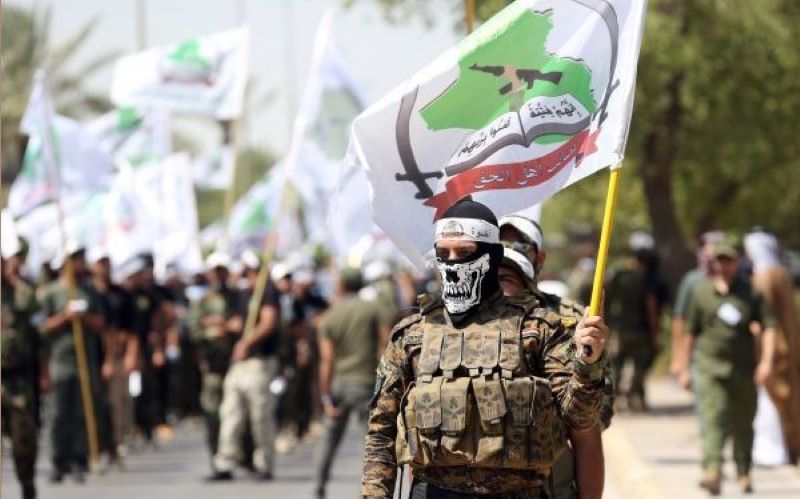
Several powerful militia groups in Iraq say they are ready to disarm to avoid a potential military confrontation with the Trump administration, according to senior Iraqi commanders and officials who spoke to the news agency Reuters. This marks the first time these Iran-backed militias have shown willingness to lay down their weapons amid growing US pressure.
The move comes after the US privately warned Iraq’s government that it may carry out airstrikes against militia bases unless Baghdad took action to disband them. Since President Donald Trump returned to power in January, US officials have increased pressure on Iraq to control these armed groups.
Discussions between Prime Minister Mohammed Shia al-Sudani and militia leaders have reportedly reached an advanced stage. According to Izzat al-Shahbndar, a senior Iraqi politician, the militias understand they risk being targeted by the US and are open to change.
The militias involved include Kataib Hezbollah, Nujabaa, Kataib Sayyed al-Shuhada, and Ansarullah al-Awfiyaa—all part of the Islamic Resistance in Iraq, a larger network of about 10 armed factions. Together, these groups have around 50,000 fighters and access to heavy weapons like missiles and anti-aircraft systems.
One Kataib Hezbollah commander admitted that avoiding war with the US and Israel was now a top priority. Iran’s powerful Islamic Revolutionary Guard Corps (IRGC), the main backer of these groups, has reportedly given them the freedom to make their own decisions to avoid conflict.
These militias have launched numerous missile and drone attacks on US and Israeli forces since the start of the Gaza war around 18 months ago. In response, some have already begun closing down headquarters and reducing their presence in key Iraqi cities like Mosul and Anbar.
The Iraqi government is considering ways to manage the disarmament process. Options include transforming militias into political parties or integrating them into the national army.
US officials remain skeptical, citing past instances where temporary ceasefires fell apart. Still, this development is a major shift for Iraq’s militias, who have long resisted Western calls to demilitarize.
This move also comes at a difficult time for Iran’s regional influence. Its “Axis of Resistance” has been weakened by recent military losses in Gaza, Lebanon, Yemen, and Syria. Iraq, caught between its US and Iranian alliances, is now trying to stabilize the situation before outside forces take action.
As one former Iraqi adviser warned, “If we do not voluntarily comply, it may be forced upon us… by force.”





