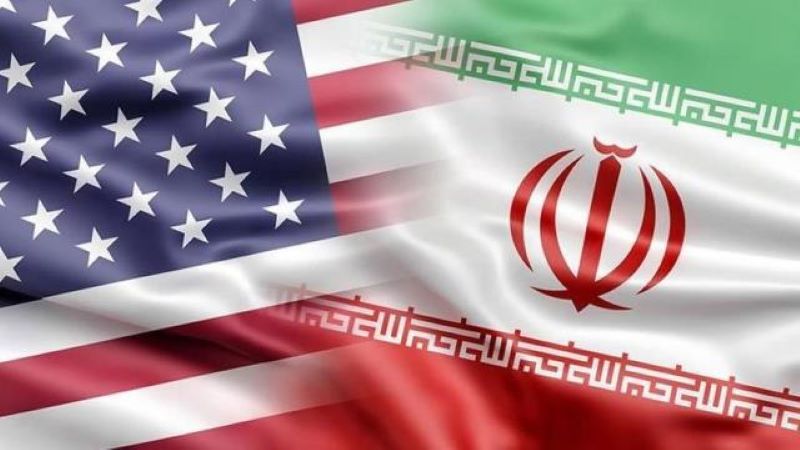
Iran dismissed a new U.S. plan to end the month‑long war in the Middle East on Monday, calling it “unrealistic, illogical, and excessive.” The rejection came as Tehran launched another wave of missiles at Israel, the target of its state media’s description as “the Zionist entity”, while global oil prices climbed sharply amid fears of a wider regional conflict, according to the Nation.
Iranian Foreign Ministry spokesman Esmaeil Baghaei confirmed that Washington had sent messages through intermediaries expressing its readiness to negotiate. Those messages followed a weekend meeting in Islamabad, where the foreign ministers of Pakistan, Egypt, Saudi Arabia, and Turkey discussed possible mediation.
Baghaei, however, made clear that Tehran had little interest in U.S. overtures. “Our position is clear,” he said at a press briefing. “We are under military aggression. Therefore, all our efforts and strength are focused on defending ourselves.”
Diplomatic sources in Islamabad said direct talks between Iran and the United States remain unlikely this week, though mediators continue to push for contact “as early as possible.”
At the same time, Baghaei revealed that Iran’s parliament is considering whether to withdraw from the Nuclear Non‑Proliferation Treaty, a move that would mark a serious escalation in the standoff with the West.
U.S. President Donald Trump responded with new threats, warning Iran to keep the Strait of Hormuz open, a narrow waterway that carries about one‑fifth of the world’s oil and gas shipments. In a post on social media, Trump cautioned that if Iran blocks traffic or fails to reach a deal soon, the U.S. would “completely obliterate” Iran’s oil fields and power plants.
The rhetoric rattled markets, sending Brent crude up 2.2% to nearly $115 a barrel by late morning. As military fires burn and diplomacy stalls, the region edges ever closer to a larger and more dangerous conflict.