BERLIN — In a move that breaks with decades of political instinct, Germany has suspended all arms exports to Israel that could be used in the Gaza Strip, Chancellor Friedrich Merz announced Friday, reported by Daily Hurriyet News. The decision comes amid Israel’s plan to seize control of Gaza City, a step Berlin now questions both in strategy and morality.
“It is increasingly difficult to understand how this latest military plan will achieve the goals of disarming Hamas and freeing the remaining Israeli hostages,” Merz said in a statement. “Under these circumstances, the German government will not authorize any exports of military equipment that could be used in the Gaza Strip until further notice.”
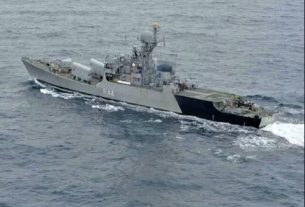
The announcement marks a profound shift for a nation that has long been one of Israel’s staunchest allies — support rooted in Germany’s postwar commitment to atone for the Holocaust. Since the Hamas-led attack of October 7, 2023, Germany has approved at least €485 million ($565 million) in defense sales to Israel, including firearms, ammunition, armored vehicles, naval equipment, and electronic systems.
Merz reaffirmed Berlin’s stance that “Israel has the right to defend itself against Hamas’ terror,” but warned that the Israeli cabinet’s decision for intensified military action in Gaza “makes it increasingly difficult” to see how such measures align with humanitarian imperatives.
The chancellor’s tone toward Israel has sharpened in recent months as the humanitarian crisis in Gaza has deepened. A UN-backed assessment has warned of unfolding famine in the enclave. German military aircraft have joined multinational efforts to airdrop aid over Gaza in recent days, and Merz pressed Israel to guarantee “comprehensive access” for UN agencies and NGOs.
The freeze also comes with a pointed warning on the West Bank. Merz urged Israel to refrain from “any further steps toward annexing” the territory, following a parliamentary motion by 71 Israeli lawmakers last month urging formal annexation.
Germany has resisted calls to recognize a Palestinian state unilaterally, maintaining that recognition must come through negotiations, though Foreign Minister Johann Wadephul said last week that talks “must begin soon.” Berlin also opposes suspending the EU-Israel Association Agreement, despite rising pressure from some coalition partners.
Internationally, the move aligns Germany more closely with voices urging Israel to temper its military campaign, even as Berlin stops short of joining France, the UK, and Canada in setting timelines for Palestinian recognition.
“With the planned offensive, the Israeli government bears even greater responsibility for the welfare of Gaza’s civilians,” Merz said, framing the pause not as a rupture in relations, but as a demand for recalibration in pursuit of both security and humanity.