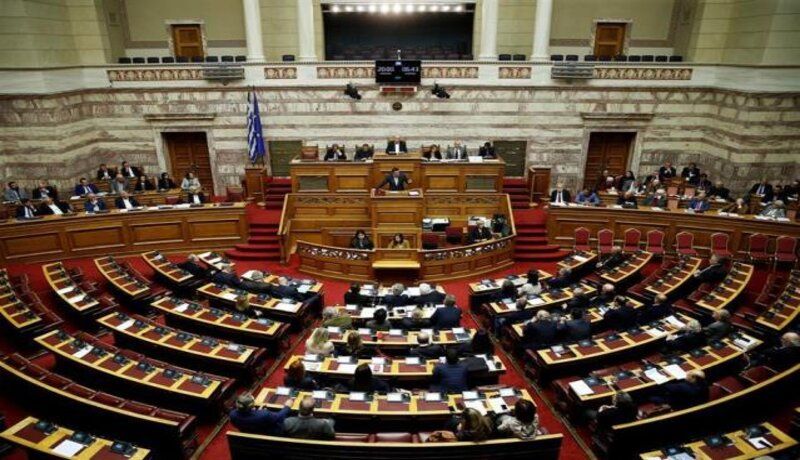
ATHENS — Greece is preparing to roll out one of Europe’s most sweeping labor reforms, a plan that would allow employees in certain sectors to work up to 13 hours a day during peak seasons — legally.
The draft bill, expected to reach parliament in September, comes as the nation faces a severe labor shortage, especially in tourism and hospitality. Officials estimate 80,000 positions are vacant in those industries alone, with roughly 300,000 jobs unfilled nationwide.
Under the proposal, the standard 40-hour workweek would remain, but hours could be calculated on a quarterly basis. This means that in high-demand periods, employees could work up to 13 hours per day for no more than 37 days a year. Annual overtime would be capped at 150 hours.
Labor and Social Affairs Minister Niki Kerameos said the reform aims to “cut bureaucracy, replace paper with digital systems, and make procedures easier.” Among the most novel changes: employers could hire staff through a smartphone app, even for assignments as short as two days.
The bill also offers a four-day workweek option with ten-hour days and retains the six-day, 48-hour maximum workweek introduced last year. Kerameos argued that the changes would strengthen workers’ rights by increasing oversight through digital tools, while introducing tougher penalties for undeclared work and unpaid overtime.
Critics, however, warn that longer days could overburden employees and create loopholes for exploitation. Labor advocates fear that quarterly hour calculations could mask overwork and weaken traditional protections.
Kerameos countered that the bill was “born from real-world practice,” insisting it would actually give working parents more flexibility and, in some cases, more time off during slower periods.
The proposal arrives amid wider European debates on work-life balance, productivity, and digital-era labor rights. If passed, Greece would be the first EU country to formally allow a legal 13-hour workday — a move that could test both its workforce and its politics.