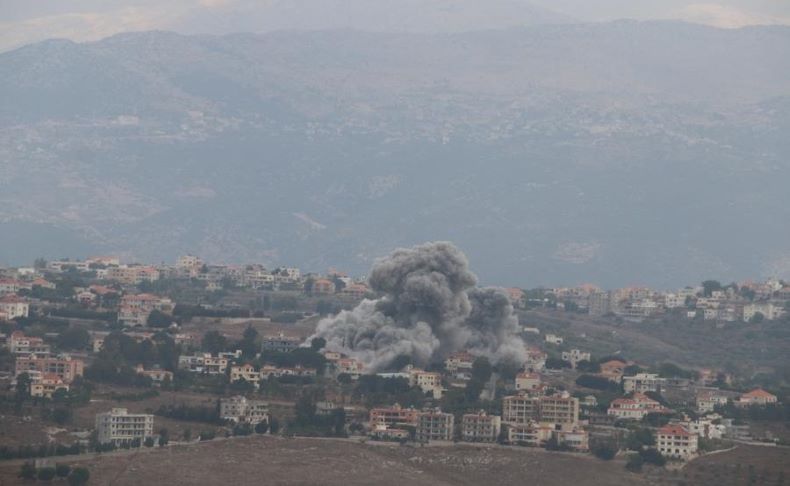
Israel has agreed to begin direct talks with Lebanon even as fresh violence and confusion over a supposed ceasefire continue to deepen fears across the region, according to BBC News. The move comes after one of the deadliest days in recent fighting, with Lebanon’s health ministry reporting at least 303 people killed and more than 1,000 injured in Israeli strikes carried out on Wednesday.
The attacks, which hit densely populated parts of Beirut and other areas, left entire neighborhoods shaken. Smoke rose above the capital as families rushed to flee after the Israeli military issued new evacuation warnings. Hospitals, already under pressure, struggled to cope with the rising number of wounded.
Despite the diplomatic step, Israeli Prime Minister Benjamin Netanyahu made it clear that military operations are far from over. He said there is “no ceasefire” in Lebanon and vowed that Israel would continue striking Hezbollah “with full force.” At the same time, he has instructed his cabinet to open negotiations aimed at disarming Hezbollah and exploring what he described as a possible “historic peace agreement” with Lebanon.
The latest confusion began late Tuesday when the United States and Iran announced a two-week ceasefire, reportedly brokered with the help of Pakistan. Pakistani Prime Minister Shehbaz Sharif publicly stated that the truce would apply “everywhere including Lebanon and elsewhere, effective immediately.” The wording of the announcement appeared clear and left little room for doubt.
However, Netanyahu quickly rejected that interpretation, insisting that Lebanon was not covered by any agreement. U.S. President Donald Trump and Vice President JD Vance later described the mention of Lebanon as a “legitimate misunderstanding” involving Pakistani and Iranian officials.
The issue has sharply raised tensions with Iran. Deputy Foreign Minister Saeed Khatibzadeh said Tehran had been close to launching a retaliatory response against Israel following the strikes in Lebanon, which Iran called a serious violation of the truce. According to him, only urgent diplomatic intervention by Pakistani mediators prevented further escalation.
Trump later confirmed in an interview that he had personally urged Netanyahu to reduce military action in Lebanon in order to protect wider negotiations involving Iran. He said he remained hopeful that peace efforts could still move forward.
Yet on the ground, the ceasefire appears dangerously fragile. Analysts warn that even a single misstep could reignite a much wider conflict. In Beirut, grief now fills the streets as families bury their loved ones and wait anxiously to see whether diplomacy can succeed where violence has so often failed.