Vienna is preparing for another year of financial restraint as the city government seeks to reduce its growing debt through cuts in subsidies, administrative spending and public expenditure. Under the proposed 2027 budget, the Austrian capital expects revenues of €20.78 billion against planned expenditure of €22.24 billion, leaving a deficit of €1.46 billion.
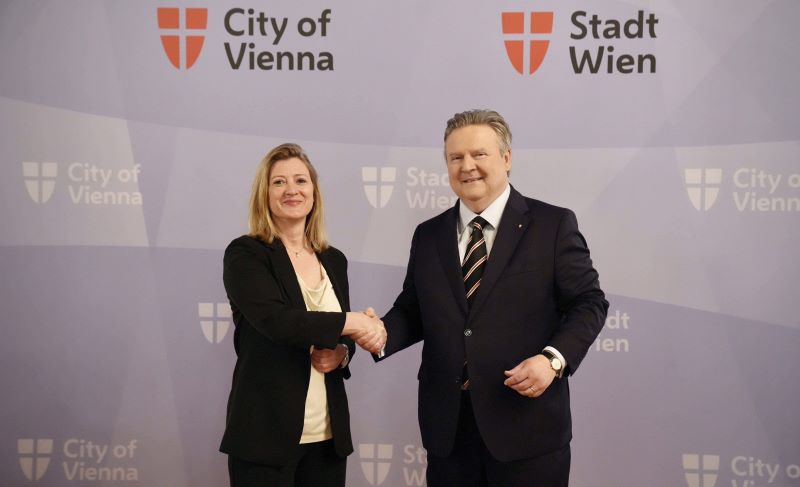
Although the city will continue to spend more than it earns, the projected shortfall is more than €1 billion lower than the deficit budgeted for 2026. Finance Councillor Barbara Novak of the Social Democratic Party (SPÖ) says that cost-cutting measures introduced over the past 18 months are beginning to deliver results.
Savings in public administration will come through digitalisation, delayed recruitment and fewer overtime hours. The city also plans to reduce spending on subsidies, with Novak pointing to a projected €200 million reduction in minimum-income support. She argued that more people entering employment would help lower long-term welfare costs.
However, the government has not yet revealed which additional subsidies will face cuts, leaving individual departments to decide how to manage their reduced budgets.
Despite the savings, Vienna plans to maintain total investments of €3.7 billion, while avoiding new taxes. Education will receive a modest increase in funding, partly to support a planned kindergarten reform. Healthcare, social affairs and sports remain the largest spending area, with €7.26 billion allocated.
The city’s total debt is forecast to reach €18.4 billion in 2027. However, officials believe the final figure could be closer to €17.4 billion if this year’s financial performance exceeds expectations. A disciplined budget implementation could improve the 2026 result by approximately €250 million, reducing future interest payments.
Novak acknowledged that Vienna would still miss its agreed financial stability target by around €500 million. Nevertheless, she insisted that protecting essential public services must remain the priority.
The proposed budget has drawn sharp criticism from opposition parties. The Freedom Party (FPÖ) described the financial situation as a political failure, while the Greens accused the government of weakening Vienna’s social legacy by increasing costs for residents while reducing public services. The People’s Party (ÖVP) also called for a fundamental change in the city’s financial management.
The budget debate is expected to continue until its presentation and approval in the Vienna City Council at the end of December.