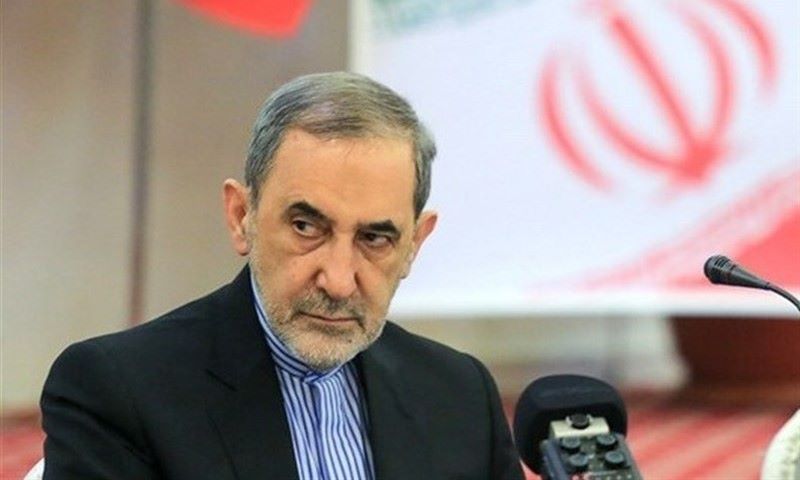
TEHRAN — Ali Akbar Velayati, senior adviser to Iran’s Supreme Leader Ayatollah Seyed Ali Khamenei, has vowed that Iran will not allow the creation of what he described as an “American corridor” in the South Caucasus, regardless of whether Moscow joins the effor, reported by Tasnim News Agencyt.
In an interview with Tasnim News, Velayati denounced the proposed Zangezur corridor, a route intended to link Azerbaijan with its Nakhchivan exclave through Armenian territory near Iran’s border. He argued the plan would redraw the region’s geopolitical map, threaten Armenia’s territorial integrity, and undermine the security of the South Caucasus.
Velayati claimed the project, which he described as a NATO-backed political plot, is opposed by both Tehran and Yerevan. He said Armenian Prime Minister Nikol Pashinyan had previously conveyed to Iranian leaders that the corridor would bring definite harm to Armenia. The adviser warned the route could serve as a staging ground for Western influence in the region, placing NATO “like a viper” between Iran and Russia.
Calling prevention “better than treatment,” Velayati said Iran will act to block NATO’s approach to its northern borders, just as Russia has warned against NATO expansion in Ukraine. He suggested Azerbaijan could connect with Nakhchivan via Iranian territory without the need for a new corridor.
Turning to regional tensions, Velayati dismissed U.S. calls for the disarmament of Lebanon’s Hezbollah, saying the resistance movement remains a vital defense against Israeli aggression. Disarming Hezbollah, he warned, would leave Lebanon defenseless and vulnerable to foreign plots. He pledged Iran’s continued support for the group.
He also echoed concerns from former Iraqi prime minister Nouri al-Maliki over U.S. and Israeli intentions to disarm Iraq’s Popular Mobilization Units, or Hashd al-Shaabi, after targeting Hezbollah. Such moves, he argued, would pave the way for U.S. dominance in Iraq.
Extending his praise to Yemen’s armed forces, Velayati described them as “the gem of the resistance axis,” noting their control over the Bab al-Mandab Strait and their ability to counter Western and Israeli plans. He predicted the Syrian resistance would also rise to thwart future Israeli designs.