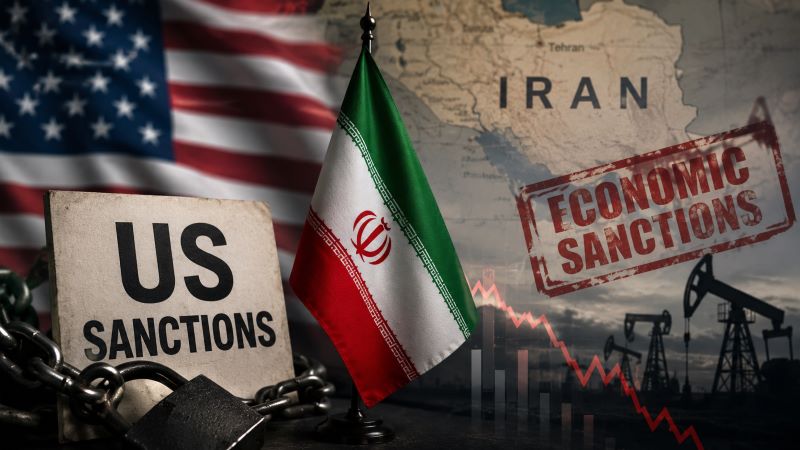
Washington has opened a new and dangerous chapter in its confrontation with Tehran. US Treasury Secretary Scott Bessent has announced a sweeping new sanctions campaign aimed at cutting off what he called “every economic lifeline” supporting Iran. He has also urged US allies to join the pressure campaign, warning that countries and companies continuing business with Tehran could face consequences of their own.
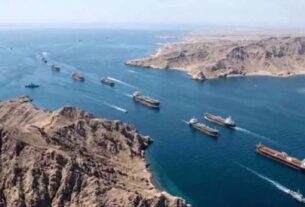
The announcement comes as tensions around the Strait of Hormuz reach a critical point. Iran has warned vessels passing through the strategic waterway that they could face fines, detention or even confiscation if they violate its new rules. Iranian security chief Mohsen Rezaei has gone further, warning that continued US economic pressure could lead Tehran to stop oil exports from the Gulf. He said countries supporting the American sanctions could be treated as committing an “act of war.”
The latest move is part of a much longer US campaign against Iran. Washington has imposed sanctions on Tehran for decades, targeting its oil industry, banks, military networks and other sources of revenue. Under President Donald Trump, the pressure has intensified through military action, economic restrictions and repeated efforts to isolate Iran financially. Earlier this month, the Treasury Department targeted Iranian banks, exchange houses and companies accused of helping move oil revenues through international financial networks.
The difficult question now is whether America’s allies will follow.
Some European countries are already broadly aligned with US pressure on Iran. The European Union has restored nuclear related sanctions and has also taken measures over Iran’s military support for armed groups and its actions affecting navigation in the region. Several European countries outside the EU have aligned themselves with these measures.
But a united Western front is far from certain. China and Russia continue to reject unilateral US sanctions, while other countries may fear losing access to Iranian energy, trade or the US financial system. The UAE has already halted trade with Iran, showing that some regional partners may choose cooperation with Washington.
For many allies, neutrality may therefore become the safest but hardest choice. Joining Washington could strengthen pressure on Tehran, but it could also invite Iranian retaliation and further disrupt energy markets. Refusing to join could protect economic interests while risking conflict with the United States.
Meanwhile, Oman’s foreign minister is due in Tehran for talks. Diplomacy may still offer a narrow door out of a crisis that sanctions alone could make far more dangerous.