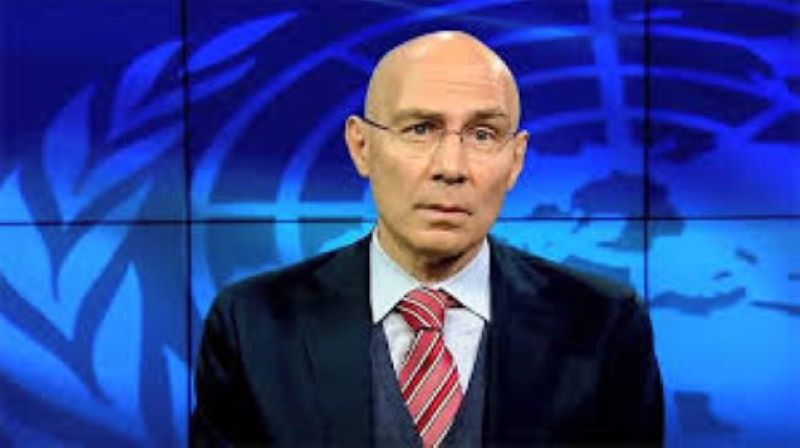
United Nations, July 18: The United Nations has expressed growing concern over the worsening political and security situation in Azad Jammu and Kashmir (AJK), where weeks of protests, arrests and deadly clashes have cast a shadow over regional elections scheduled for July 27. The UN High Commissioner for Human Rights, Volker Türk, has urged all sides to exercise restraint and called for independent investigations into the deaths of protesters and security personnel.
In a statement issued from Geneva on Friday, the UN said that dozens of people, mostly demonstrators but also members of law enforcement, have reportedly been killed since June as tensions escalated across the region. Türk stressed that every death must be investigated through a prompt, thorough and impartial process to ensure accountability and justice.
The unrest has largely centered around the Joint Awami Action Committee (JAAC), a broad coalition of traders, transporters, students, lawyers and civil society activists demanding political reforms and greater public accountability. Pakistani authorities have declared the group a banned organization under anti-terrorism laws, alleging it threatens public order. Several of its leaders have since been detained.
The UN warned that banning a civil society movement, restricting public gatherings and arresting its leadership raise serious concerns about violations of the rights to freedom of expression, peaceful assembly and association. It also called for detained JAAC leaders to receive legal representation, access to their families and fair trial guarantees.
Despite the public confrontation, backchannel negotiations between representatives linked to Pakistan’s military establishment and JAAC leaders have quietly continued in recent days, raising cautious hopes of easing tensions. These informal contacts recently persuaded JAAC to postpone a planned long march, although no final agreement has yet been reached and major differences remain unresolved.
The dispute is driven by JAAC’s demands for the implementation of earlier agreements and political reforms, particularly the abolition of 12 legislative assembly seats reserved for refugees from Indian-administered Kashmir—an issue that remains the biggest obstacle in negotiations.
The UN also criticized continuing internet restrictions across parts of the territory, saying they undermine the public’s right to seek and share information at a time of heightened tensions. It urged authorities to restore full internet access and engage in meaningful political dialogue to address the grievances of the local population.
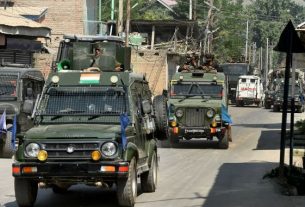
The latest situation in AJK remains fragile. While some areas have returned to normal, security forces continue to maintain a strong presence in sensitive districts, and negotiations remain ongoing as both sides seek to avoid further violence before the upcoming elections.