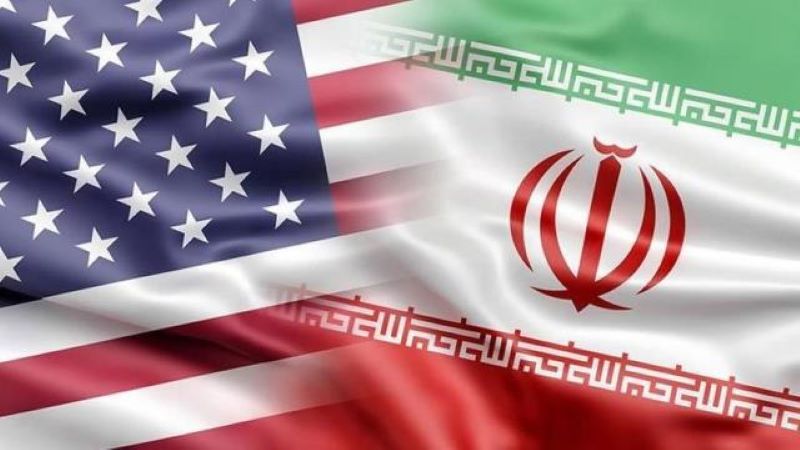
DUBAI: Iran has rejected the latest ceasefire proposal aimed at ending its 38-day conflict with the United States and Israel, deepening fears of further escalation across the Middle East, according to Arab News.
According to Iran’s state news agency IRNA, Tehran has formally responded to a US-backed proposal delivered through Pakistan. While the exact contents of the response were not fully disclosed, the report said Iran had rejected the ceasefire plan in ten points, insisting instead on a definitive and lasting end to the conflict.
The war began after Israeli and US strikes targeted Iranian positions, prompting Tehran to launch missile attacks on sites across the region. Since then, several countries have been working urgently to broker peace and prevent the conflict from spreading further.
The latest diplomatic effort reportedly came through Pakistan, which has emerged as the main communication channel between Washington and Tehran. Sources familiar with the talks said a two-phase peace framework had been proposed. The first phase called for an immediate ceasefire and the reopening of the Strait of Hormuz, followed by negotiations toward a broader settlement.
However, Iran appears unwilling to accept what it sees as a temporary arrangement.
A senior Iranian official told Reuters that Tehran would not reopen the Strait of Hormuz in exchange for only a temporary ceasefire, arguing that the United States has not shown readiness for a permanent peace agreement.
The Strait of Hormuz remains a major point of concern. As one of the world’s most important oil shipping routes, any disruption there can send shockwaves through global energy markets.
US President Donald Trump has increased pressure on Tehran, warning that unless Iran agrees by Tuesday evening to allow free passage through the strait, the United States could launch strikes on vital Iranian infrastructure, including power plants and bridges.
In response, Iran has reportedly put forward its own demands, including an end to regional hostilities, safe shipping guarantees in the strait, reconstruction support, and the lifting of sanctions.
Diplomatic sources say Pakistan’s army chief, Field Marshal Asim Munir, has been in continuous contact with top US and Iranian officials, including Vice President JD Vance, envoy Steve Witkoff, and Foreign Minister Abbas Araqchi.
Despite the ongoing talks, Iranian officials have stressed that they will not make decisions under pressure or imposed deadlines.
With no immediate response from US officials and uncertainty still surrounding the negotiations, tensions remain high. The world is now watching closely, as any further conflict in the Strait of Hormuz could have serious consequences for global oil supplies and regional stability.