SEOUL — South Korea’s political reckoning with its recent past took a dramatic turn this week as an independent counsel formally sought the death penalty for former President Yoon Suk Yeol, accusing him of leading a rebellion through his short-lived declaration of martial law in December 2024, according to Arab News.
At a hearing on Tuesday at the Seoul Central District Court, the prosecution team led by independent counsel Cho Eun-suk argued that Yoon’s actions constituted the gravest violation of constitutional order. The former president, who was removed from office last April, is standing trial on multiple criminal charges, with rebellion considered the most serious. The court is expected to issue a verdict in February.
Yoon has consistently defended his actions, portraying the martial law decree as a last ditch but nonviolent attempt to alert the public to what he described as the dangers posed by the opposition Democratic Party. He accused the opposition, which controlled parliament at the time, of paralyzing governance and undermining the state, labeling lawmakers “anti-state forces” and “a den of criminals.”
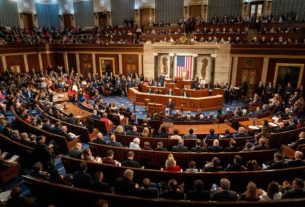
The move backfired almost immediately. In tense overnight scenes, lawmakers rushed to the National Assembly, evading military blockades to convene an emergency session. Enough legislators including members of Yoon’s own party, managed to enter the chamber and vote down the decree, forcing its withdrawal within hours.
Still, the damage was done. Armed troops were deployed across central Seoul, surrounding the legislature and entering election offices, images that revived painful memories of South Korea’s authoritarian era in the 1970s and 1980s, when military rulers used martial law to crush pro democracy movements.
The episode plunged Asia’s fourth-largest economy into political chaos, freezing high level diplomacy and unsettling financial markets. Yoon’s defiant stance in the aftermath, including vows to resist impeachment and arrest, further deepened national divisions. In January, he became the first sitting South Korean president to be detained.
Now, as the country awaits the court’s decision, the case stands as one of the most consequential trials in South Korea’s democratic history, a test not only of Yoon’s legacy, but of the resilience of its constitutional order.