Shadows Over the Gulf – A New War Tests the World’s Fragile Peace
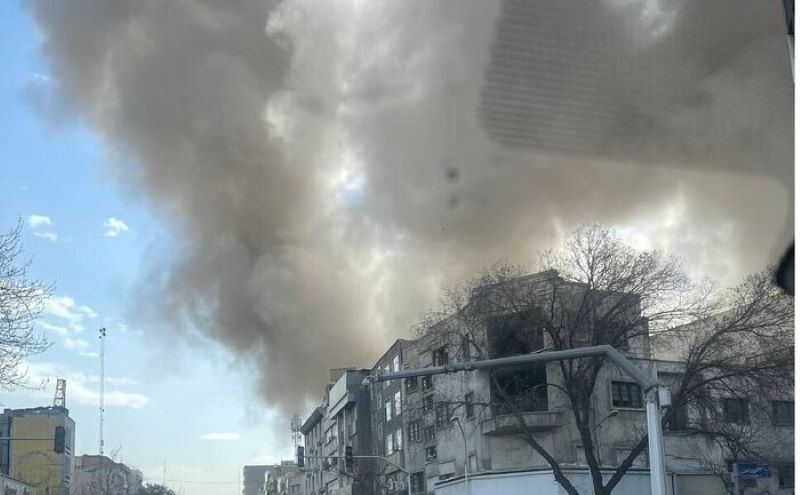
In the sun baked cities of Tehran and the bustling ports of Dubai, life has taken on a tense new rhythm. The distant roar of jets and the wail of air-raid sirens now mix with the everyday sounds of street markets and family dinners. What started as a bold U.S.-Israeli military strike on February 28, 2026, codenamed Operation Epic Fury, has dragged into its third week, shaking the Middle East and rippling across the globe. Families everywhere wonder; when will the bombs stop falling, and what will tomorrow bring?
President Donald Trump, now in his second term, greenlit the attacks alongside Israel to hit Iran’s military bases, missile factories, and top leaders. Among the confirmed dead is Supreme Leader Ali Khamenei, with reports also claiming national security chief Ali Larijani fell on March 17, though Larijani ist still alive and active. Iran didn’t sit idle. Missiles and drones rained down on Israel, U.S. bases, and Gulf states like Saudi Arabia, the UAE, Qatar, and Kuwait. Tragically, civilians paid the heaviest price: over 160 girls died in a school strike in Minab, and a family, including a newborn and toddler, perished in Arak. Iran counts at least 1,444 dead and 18,000 wounded, numbers that may climb higher still.
Trump calls it a vital move to halt Iran’s nuclear dreams, warning Tehran was “weeks or months” from a bomb and missiles that could reach America. But experts and watchdogs tell a different story. U.S. strikes back in June 2025 already crippled Iran’s key nuclear sites, pushing their program years behind, per intelligence reports and the UN’s atomic agency. No solid proof shows an active bomb project or anything imminent. Enriching uranium is one thing while building a real weapon takes much longer. Trump’s past boasts that 2025 “obliterated” the threat now ring hollow against this fresh urgency.
Darker whispers swirl online: was Trump blackmailed with Jeffrey Epstein files by pro Israel forces, dragging America into war to dodge scandals? These tales, popular in pro Iran corners and social media, smack of old antisemitic myths about “Jewish lobbies” pulling strings. Groups like the Anti Defamation League call it pure fiction, with zero evidence tying Epstein docs to the decision. The strikes fit a long pattern of U.S. and Israeli efforts to check Iran’s power, not some shadowy plot.
At home, Trump faces a storm. Lawmakers and everyday Americans question the war’s legal basis and sky high costs, evoking ghosts of Iraq and Afghanistan. Some even dub him America’s “Mikhail Gorbachev”, a leader whose big swings might unravel his own power amid home front fury and global isolation. The comparison’s a stretch, but the loneliness stings.
NATO allies aren’t rushing to help. Secretary General Mark Rutte nodded to the strikes’ success against Iran’s nukes and missiles but drew a firm line; no offensive role. France, Germany, the UK, Australia, and Japan won’t beef up patrols in the Strait of Hormuz, despite Trump’s pleas and threats of a “very bad” future for the alliance. Without teamwork, NATO looks shaky, perhaps dooming it to irrelevance or pushing the U.S. toward go it alone policies.
Then there’s Russia. The West’s sanctions over Ukraine suddenly feel wobbly. On March 13, the U.S. Treasury waived rules for 30 days, letting nations buy up to 100 million barrels of loaded Russian oil and gas. Why? Iran’s Hormuz blockade spiked prices past $100 a barrel, hiking U.S. gas costs. Europeans and Ukrainians cry hypocrisy easing up on one invader while battling another. Pragmatists see it as a lifeline against recession and family budget woes.
Gulf partners feel the sharpest betrayal. Longtime U.S. allies like the UAE and Saudi Arabia reel from Iranian drones on oil fields and missiles over Qatar. Casualties are low but damage is real, yet America’s shield stays fixed on Israel. Strikes hit even as Oman talks hinted at nuclear progress. Trust erodes: is the U.S. a reliable friend when allies bleed, or a sneaky enemy mid-negotiation? Washington’s star dims in the Gulf, whispering of a superpower adrift.
What’s next? Three grim roads loom. A swift U.S.-Israel win could topple Iran’s regime in weeks. Or a bloody stalemate, with Hormuz choked and prices soaring for months. Worst: all-out regional fire, as Hezbollah stirs in Lebanon and others join in.
Ordinary folks suffer most. Iranian and Gulf families mourn amid blackouts; over a million Lebanese flee. Europe’s energy bills bite harder; America’s pump prices fuel inflation. Global food jumps as shipments stall— the poor hit hardest in a world tipped toward recession.
As missiles arc through desert nights, this war isn’t just Iran’s fight. It strains alliances, buckles economies, and frays the thin threads of global peace. One spark here could light fires everywhere, reminding us how precious, and breakable, our shared calm really is.