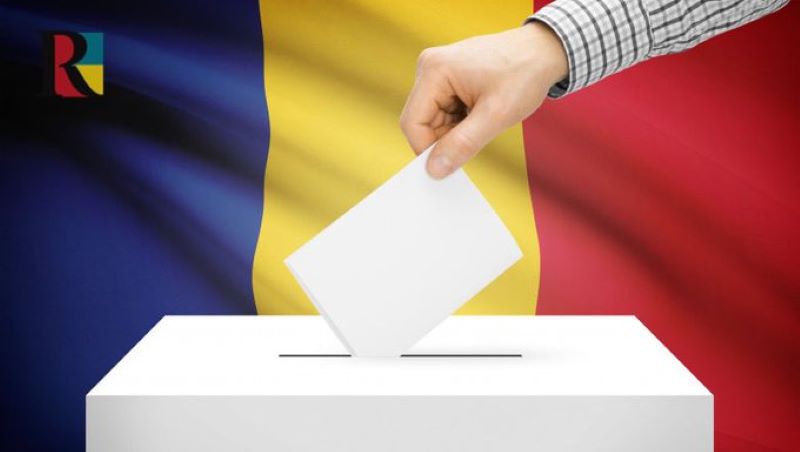
Romania’s government was thrown into fresh uncertainty on May 5 after Prime Minister Ilie Bolojan lost a no-confidence vote in parliament, deepening political tensions in the EU and NATO member state bordering Ukraine.
Lawmakers voted 281 to remove Bolojan, with the motion backed by the left-leaning Social Democrats (PSD) and the far-right Alliance for the Union of Romanians (AUR). Although Bolojan’s Liberal Party (PNL) and its allies attended the session, they chose not to cast their votes.
The alliance between the PSD and the far right has sparked criticism, with observers warning that it risks giving legitimacy to extremist forces. Once isolated, AUR has steadily gained support and now polls at around 37 percent, overtaking the PSD in popularity.
“This move has turned AUR into a significant political player,” said political scientist Costin Ciobanu, noting how quickly the party has moved from the margins to the center of political life.
Tensions had been building for weeks. Bolojan’s government pushed through austerity measures aimed at reducing Romania’s budget deficit, the highest in the European Union, but these steps proved deeply unpopular.
After the vote, PSD leader Sorin Grindeanu called for Bolojan to step down and urged parties to form a new government quickly. Meanwhile, AUR leader George Simion hailed the outcome as a victory for “the voice of the people.”
Despite the upheaval, President Nicusor Dan reassured citizens that Romania would remain on its pro-European path and ruled out the possibility of a far-right-led government. Still, he acknowledged that forming a new administration would be difficult.
Bolojan defended his reforms until the end, dismissing the motion as “cynical” and necessary sacrifices for the country’s future.
The crisis has already shaken financial markets. Borrowing costs have risen, and Romania’s currency has fallen to a record low against the euro.
With negotiations expected to last weeks, Romania now faces a familiar question: whether its pro-European parties can unite again or whether political divisions will deepen in uncertain times.