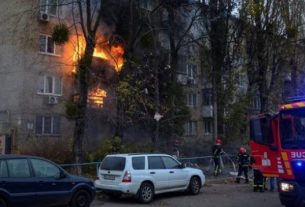
Western Europe just lived through its hottest June and July ever recorded, as scorching heat, deepening drought, and raging wildfires tighten their grip across much of the Northern Hemisphere.
Speaking to reporters in Geneva, World Meteorological Organization spokesperson Clare Nullis said July ranked as the second-warmest month of its kind globally, with temperatures sitting 1.47°C above pre-industrial levels, according to Anadolu. Ocean surfaces, too, told a troubling story, sea surface temperatures reached their highest point ever measured for July.
For many across Western Europe, summer has become relentless. Some countries are now bracing for their fourth heat wave of the season, while drought tightens its hold on farmland, rivers, transportation networks, and energy systems and wildfire danger climbs with each passing week.
The forecast offers little relief. Meteo-France expects temperatures to climb past 35°C across much of the country in the coming days. Switzerland’s weather service has issued a Level 3 alert for the same threshold, and southern England could see the mercury hit 36°C by Thursday, according to the UK Met Office.
John Kennedy, the WMO’s climate information chief, explained that this punishing pattern stems from long-term global warming colliding with stubborn high and low pressure systems parked over the region. He cautioned that extreme heat is no longer an occasional visitor, it’s arriving more often, hitting harder, lasting longer, and spreading wider than before.
Health officials are sounding alarms of their own. WHO spokesperson Tarik Jasarevic warned that wildfire smoke, laden with fine particulate matter, represents a serious threat to public health, linked to premature deaths and worsening conditions of the heart, lungs, brain, and other organs. Firefighters face their own dangers from burns and smoke inhalation, while children, the elderly, pregnant women, and those with chronic illness remain most at risk.