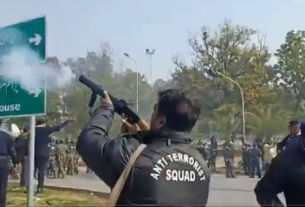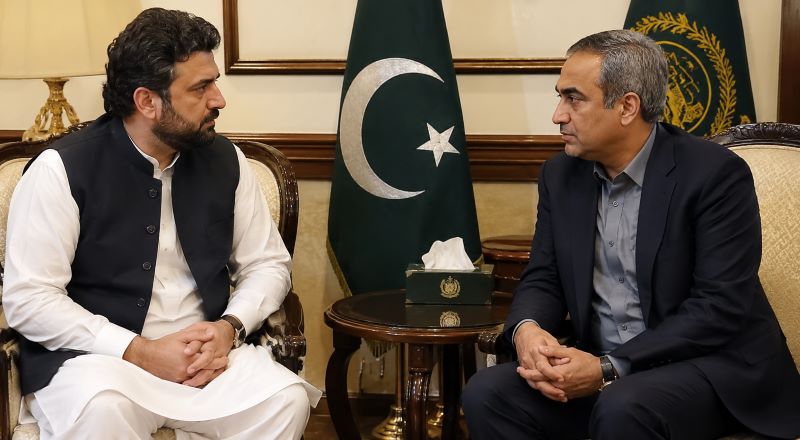
ISLAMABAD: Talks between Pakistan’s federal government and the opposition have collapsed, deepening political tensions ahead of a planned long march to Islamabad. The Interior Minister blamed the breakdown on the Khyber Pakhtunkhwa chief minister, while opposition representatives said disagreements over former Prime Minister Imran Khan’s rights and counterterrorism policy remained unresolved, reported by the Dawn News.
The Interior Minister said the government and opposition negotiators had reached broad agreement on political matters but failed to secure the provincial government’s commitment on security and counterterrorism. He accused the Chief Minister of changing an agreed draft at the final stage of negotiations.
The Chief Minister rejected the government’s position and published his own proposed framework. The demands included regular dialogue between the federal government and opposition, a joint political negotiating committee, and constitutional and legal guarantees for political prisoners.
A central issue was the treatment of Imran Khan, who remains in detention. The opposition demanded that his legal, human and medical rights be protected in accordance with Pakistan’s Constitution, prison rules and applicable law. It also called for access to family members, lawyers and personal or nominated physicians.
The proposed framework further demanded that appeals against prisoners’ sentences be taken up or completed, where legally possible, without undue delay. It called for decisions by the relevant courts through transparent judicial procedures and according to constitutional principles and the rule of law. It also urged humanitarian consideration for women political prisoners, including Bushra Bibi and Yasmin Rashid.
The opposition said the long march could be called off if the federal government provided written assurances for implementing the agreed measures. It reserved the right to peaceful and lawful protest if those assurances were not honoured.
The government, meanwhile, said security could not be politicised as violence and militant activity continued in Khyber Pakhtunkhwa. Officials accused the provincial government of failing to provide clear commitments on counterterrorism.
The failed negotiations leave Pakistan facing another period of political uncertainty. With the long march still hanging over Islamabad, the dispute now extends beyond political rivalry to questions of constitutional rights, due process, security and the country’s democratic future.