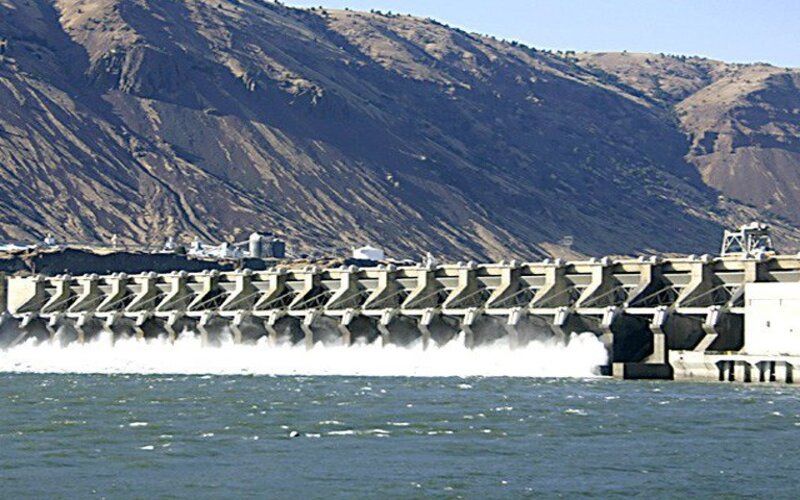
At the United Nations, Pakistan has sharply criticised India for what it described as the deliberate “weaponisation” of water, warning that unilateral actions over shared rivers threaten regional stability and the survival of millions downstream, according to The Nation.
Speaking at a UN-affiliated roundtable on global water scarcity, Ambassador Usman Jadoon, Pakistan’s acting permanent representative, said India’s decision to hold the 1960 Indus Waters Treaty in abeyance had triggered an unprecedented crisis for Pakistan’s water security. The event was co-hosted by the United Nations University and Canada’s mission to the UN, shortly after the release of a major UN report on “Global Water Bankruptcy.”
“This is not nature’s doing,” Ambassador Jadoon told participants. “This is a nation state deliberately weaponising water.” He accused India of material breaches of the treaty, including unannounced disruptions of downstream water flows and the withholding of vital hydrological data.
Pakistan, he stressed, considers the Indus Waters Treaty legally binding and immune to unilateral suspension or modification. For over six decades, the agreement has provided a predictable framework for managing one of the world’s most complex transboundary river systems.
The Indus River Basin, Jadoon noted, supplies more than 80 percent of Pakistan’s agricultural water and underpins the livelihoods of over 240 million people. As a lower-riparian, semi-arid country already grappling with floods, droughts, glacier melt, groundwater depletion and rapid population growth, Pakistan faces mounting pressure on its fragile water systems.
While outlining national efforts to build resilience through flood protection, irrigation rehabilitation, groundwater recharge and ecosystem restoration under initiatives such as Living Indus and Recharge Pakistan, the envoy emphasised that domestic action alone is insufficient.
“Systemic water risk in shared basins demands cooperation,” he said, calling predictability, transparency and respect for international water law matters of survival.
Looking ahead to the upcoming UN Water Conference, Pakistan urged the international community to treat water insecurity as a global systemic risk and to ensure that diplomatic commitments translate into real protection for vulnerable downstream populations.