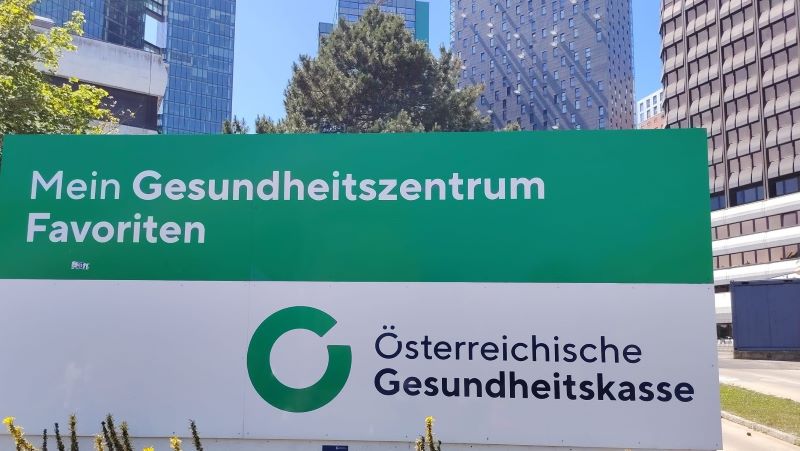
A 54-year-old woman in Vienna says she was treated with little understanding during a medical assessment by Austria’s public health insurer, ÖGK, despite suffering from a rare and extremely painful condition, according to Heute.
Patrizia B. has been diagnosed with Bing-Horton syndrome, also known as cluster headache, a neurological illness marked by intense, recurring attacks of pain. The condition is often described as one of the most severe forms of headache and is sometimes referred to as a “suicide headache” because of its intensity.
She recalls her first experience last summer, when she endured weeks of attacks several times a day. “The pain was beyond anything I had ever felt,” she said. Fearing a brain tumor, she went to the hospital, where a neurologist correctly diagnosed her and began oxygen therapy, which helped control the symptoms.
However, the illness can return in cycles, and recent weather changes triggered another episode. As a precaution, she reported herself as unfit for work. When an ÖGK inspector missed her at home, she was called in for an evaluation on short notice.
After waiting more than two hours at the ÖGK office in Vienna, she was examined by a doctor whose response left her shocked. According to Patrizia, the doctor reviewed her documents in silence before telling her, “Find a job that works with your illness.”
She said the doctor also compared her condition to migraines and dismissed her explanation of the difference. “He tried to tell me what kind of pain I have,” she said. “Why do I have to justify my illness?”
The assessment ended with her being declared fit for work, a decision she strongly disputes.
In response, ÖGK said the patient arrived late, which caused delays, but acknowledged her dissatisfaction. The agency stated that respectful treatment is a priority and confirmed the case will be reviewed internally.
The incident has raised concerns about awareness of rare illnesses and how patients are treated during official medical evaluations.