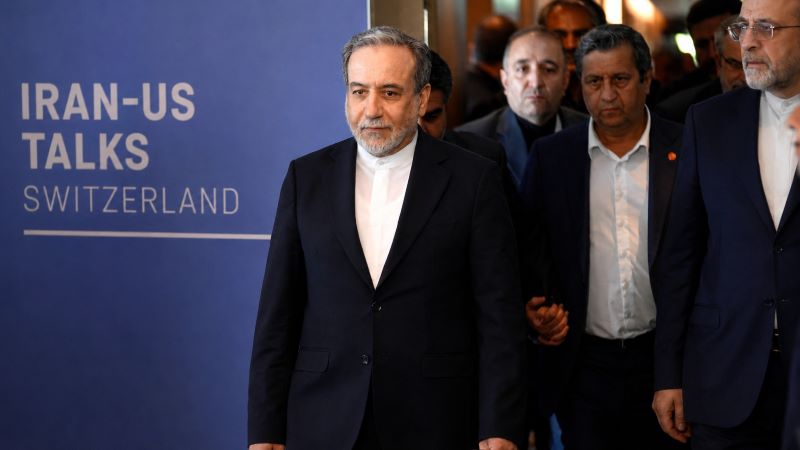
Talks between Iran and the United States aimed at ending months of conflict have been thrown into uncertainty after the Iranian delegation walked out following new threats from US President Donald Trump, according to ORF News.
The negotiations, held in Switzerland, marked the first detailed discussions on a permanent peace agreement nearly four months after the war began. Senior officials from both sides were present, raising early hopes for progress. US Vice President JD Vance described the meeting as “historic” and said “significant progress” had been made in the opening hours.
However, the atmosphere quickly shifted after Trump issued a warning on social media, demanding that Iran immediately restrain allied groups in Lebanon. He threatened further military action if the situation did not change, referencing recent strikes. The remarks were widely seen by Iranian officials as provocative and undermining the fragile diplomatic process.
According to Iranian state media, the talks entered a “difficult phase” shortly after the message was published. Within about 80 minutes, and following a brief pause, the Iranian delegation left the negotiating table.
The tensions come just days after both sides agreed on a preliminary framework for ending the conflict. The deal included an immediate ceasefire across the region, including Lebanon, although key actors in that area were not directly part of the agreement.
Iranian officials argued that threats violate the terms of the framework, which commits both sides to avoid hostile actions and rhetoric. Tehran warned it could respond if such behavior continues.
Despite the setback, there were signs of possible compromise. Iran’s president indicated that the country may be willing to provide written assurances that it does not intend to develop nuclear weapons, a longstanding concern for the United States.
Key issues in the negotiations include Iran’s nuclear program, the lifting of economic sanctions, and the release of frozen Iranian assets.
Meanwhile, strategic tensions remain high. Iran has kept the Strait of Hormuz closed, a vital route for global oil shipments, and signaled it may reopen only if a ceasefire in Lebanon holds and restrictions on its oil exports are eased.
Mediators say they still hope the talks can lead to a lasting agreement, but the path forward now appears uncertain.