For decades, the continent slept soundly under America’s nuclear umbrella, a quiet, unspoken guarantee that Washington would have Europe’s back if things ever went terribly wrong. But Donald Trump’s cozying up to Russia, his threats toward NATO allies, and his general disdain for the old transatlantic order have cracked that sense of security wide open. Suddenly, Europeans are asking a question they never seriously asked before: what if America isn’t there anymore?
Enter Emmanuel Macron.
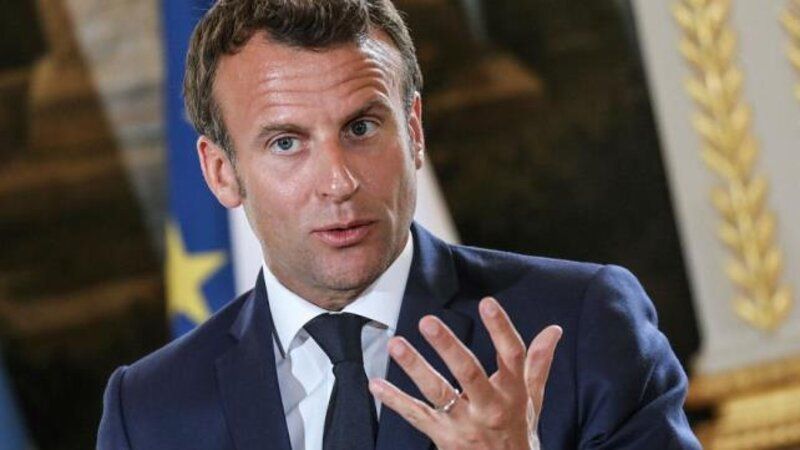
On Monday, the French president will deliver his once-per-presidential-term update on France’s nuclear doctrine, speaking from the country’s nuclear submarine base in Brittany. The timing couldn’t feel more loaded. Germany’s Chancellor Friedrich Merz has already raised the idea of a European nuclear deterrent. Nordic nations, long among America’s most faithful allies are cautiously listening. Everyone wants to know what France is actually offering.
The honest answer is: something, but not everything.
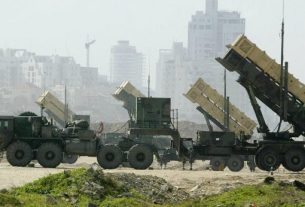
France maintains around 290 nuclear warheads, the world’s fourth largest arsenal at a cost of roughly €5.6 billion a year. Its doctrine is built around “strategic ambiguity,” a deliberately vague posture designed to keep adversaries guessing about when Paris might actually pull the trigger. French officials insist their weapons could inflict enough damage on any aggressor’s political, military, and economic centers to make a first strike unthinkable. Crucially, they argue this requires far fewer warheads than America’s vast arsenal.
But there are hard limits. France will not share control of its nuclear weapons with anyone. Only the French president can authorize a strike and that, officials say, will never change. Paris also has no interest in replacing NATO or going head to head with Washington. It simply wants European partners to understand what French deterrence can and honestly, cannot provide.
For many allies, that’s not quite enough. Eastern European governments want credibility, not just conversation. Defense experts warn that a truly independent European nuclear posture would cost billions more, require long-range missiles Europe doesn’t yet have, and risk starving conventional military programs of desperately needed funding.
Still, the very fact that these discussions are happening means something. As one senior European official put it quietly; “Just discussing alternatives is already sending a message to Moscow.”
Sometimes, the conversation itself is the weapon.