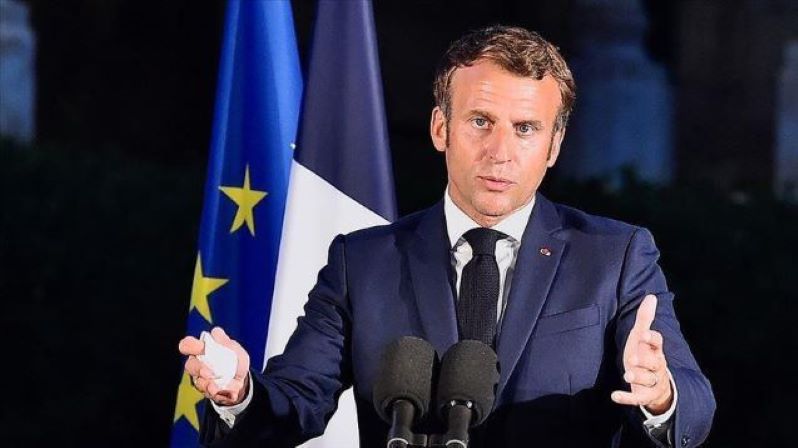
According to media reports on January 20, 2025, French President Emmanuel Macron called on European nations to “wake up” and increase their defense expenditures to lessen dependence on the United States for security. Speaking at the Army Digital and Cyber Support Command in Cesson-Sévigné, France, Macron highlighted potential changes in U.S. foreign policy under President Donald Trump, particularly concerning the war in Ukraine.
Macron questioned Europe’s preparedness if the U.S. were to reallocate its military assets, asking, “What will we do in Europe tomorrow if our American ally withdraws its warships from the Mediterranean? If they send their fighter jets from the Atlantic to the Pacific?” He emphasized the need for Europe to adapt to evolving threats and reduce reliance on non-European defense systems. Macron advocated for streamlining the European defense industry and increasing joint weapons development.
In line with this vision, Macron proposed a significant increase in France’s military budget, aiming to boost spending by over one-third in the coming years. The proposed 2024-2030 budget would rise to €413 billion ($447 billion), up from €295 billion ($320 billion) allocated for 2019-2025. This increase is intended to modernize France’s nuclear arsenal and enhance capabilities in drones, cyber-defense, and intelligence.
Addressing the ongoing conflict in Ukraine, Macron underscored the importance of providing sustained support to Kyiv, ensuring Ukraine is in a strong position for any future peace negotiations. He also discussed the possibility of deploying Western troops in Ukraine to secure a potential peace deal with Russia, a move that has sparked debate among European leaders. Ukrainian President Volodymyr Zelenskyy has engaged in discussions with Macron regarding this initiative, emphasizing the need for robust security guarantees to prevent future conflicts.
The proposal to send European troops as peacekeepers carries significant risks, including the potential for direct confrontation with Russia. Some European nations have expressed reservations about such deployments. German Chancellor Olaf Scholz, for instance, reaffirmed that Germany would not supply long-range missiles to Ukraine and highlighted the complexities involved in deploying Western troops.
In summary, President Macron’s call to action reflects a broader push for European strategic autonomy in defense, urging nations to bolster their military capabilities in response to shifting global dynamics and to ensure the continent’s security and stability.