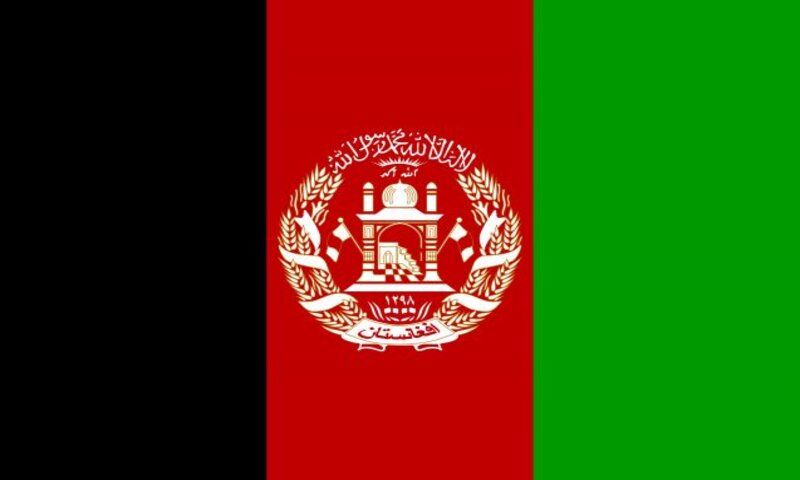
Kabul, Afghanistan — Following Moscow’s formal recognition of Afghanistan’s interim government, officials in Kabul have welcomed the move as a watershed moment in their push for international legitimacy, reported by TOLOnews. Zabihullah Mujahid, the government’s chief spokesperson, described Russia’s decision as “a major and constructive step,” suggesting that it could open the door to a new chapter in Afghanistan’s diplomatic engagement with the world.
In an interview with TOLOnews, Mujahid emphasized that the recognition came after sustained diplomatic efforts and continuous dialogue. “We had expectations from many countries to take such an initiative and lead the way,” he said. “Russia, by taking this step, has acted commendably. Our diplomatic institutions have persistently strived to engage and persuade countries through ongoing outreach and effort.”
Mujahid pointed to Russia’s strategic and regional significance, noting that Moscow’s endorsement of the Afghan government could enhance regional stability and create new economic pathways. He added that formal diplomatic recognition could allow Afghanistan to participate in international summits and contribute to global policymaking.
Amid shifting global dynamics, Mujahid invoked the reality of a multipolar world and challenged the notion that recognition of Kabul must hinge on Washington’s lead. “We expect the United States not to be an obstacle but to act boldly, like Russia,” he said. “Countries that have hesitated should realize that the path forward is clear, and now is the time to move.”
The statement underscores Afghanistan’s growing impatience with what it perceives as Western reluctance, particularly from the United States, to fully normalize relations. Despite controlling the country since August 2021, the current government in Kabul remains unrecognized by most of the international community, largely due to concerns over human rights, governance, and inclusivity.
Mujahid also addressed criticism from Afghan figures living abroad, accusing them of opposing the country’s progress out of political spite. “Unfortunately, there are figures who condemn any progress in Afghanistan—even if a road is built or a major infrastructure project is launched,” he said. “They portray it negatively and stand in opposition.”
He concluded with an appeal to both regional neighbors and the broader Islamic world to take clearer positions and move “beyond doubt.” According to Mujahid, Afghanistan is committed to building constructive ties and sees itself as a potential bridge between regional and global interests.
As Russia’s recognition sends ripples through diplomatic corridors, Kabul is hoping it won’t be the only domino to fall.