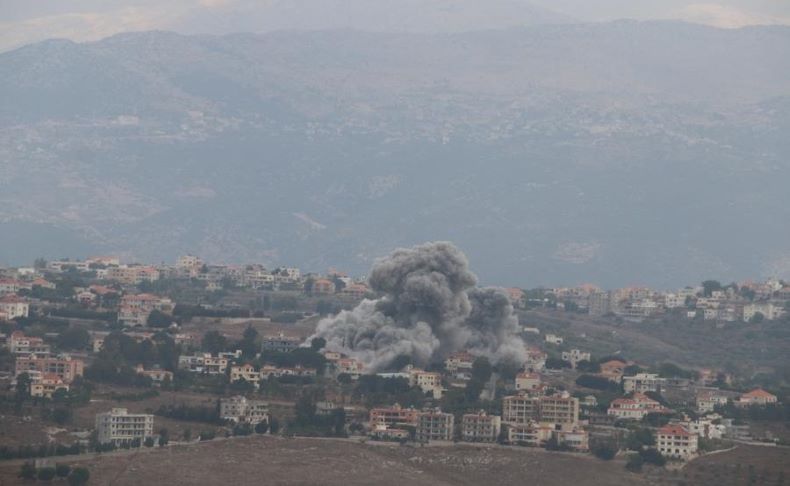
According to a BBC News report, 22 people, including women and children, were killed, and 124 others were injured in southern Lebanon after Israeli forces opened fire in the area. The Lebanese health ministry confirmed the casualties, adding that one paramedic was also among the injured. These events follow the expiration of a ceasefire deadline for Israel’s withdrawal from southern Lebanon and the removal of Hezbollah forces.
The ceasefire agreement, brokered by the United States and France, had been in effect since November and aimed to end 14 months of conflict. The deal required the withdrawal of Israeli troops and the disarmament of Hezbollah in southern Lebanon. However, Israel argued the terms of the agreement had not been fully implemented, citing the need for additional time to dismantle Hezbollah’s infrastructure. Reports suggest that Israeli forces continued to occupy parts of southern Lebanon, prompting violent clashes as civilians attempted to return to their homes despite warnings from both armies and the UN.
Israeli military officials claimed their forces had fired “warning shots” and detained individuals they deemed a threat. The Lebanese army reported the death of one of its soldiers and the injury of another during the exchanges.
Lebanon’s new president, Joseph Aoun, faces his first major test in handling this crisis. In a statement, he emphasized Lebanon’s sovereignty and vowed to defend its territorial integrity, expressing frustration over what he described as Israel’s “procrastination” in meeting withdrawal deadlines. The Lebanese army acknowledged delays in deploying troops to the border due to continued Israeli presence.
The conflict, which escalated in September, led to severe destruction in Lebanon, with approximately 4,000 people killed and 1.2 million displaced. Hezbollah suffered significant losses, including key leaders, fighters, and infrastructure. The group, which launched its campaign in solidarity with Palestinians following Hamas’s October 2023 attacks, has been criticized for dragging Lebanon into a costly war. Despite its weakened state, Hezbollah still commands loyalty among many Shia Muslims.
In recent days, Hezbollah-affiliated media outlets encouraged civilians to return to southern villages, where convoys with the group’s flags were seen arriving. However, critics warn that a renewed escalation could spark further violence, complicating efforts by President Aoun to stabilize Lebanon. Aoun has pledged to reform Lebanon’s political and economic systems, which have been mired in corruption and dysfunction for years, but curbing Hezbollah’s influence remains a contentious issue.
Israeli officials indicated that their withdrawal would continue gradually in coordination with the U.S., contingent on the full deployment of the Lebanese army and Hezbollah’s retreat beyond the Litani River. Meanwhile, the situation remains tense as both sides assess their next moves, raising concerns about the fragile truce unraveling.