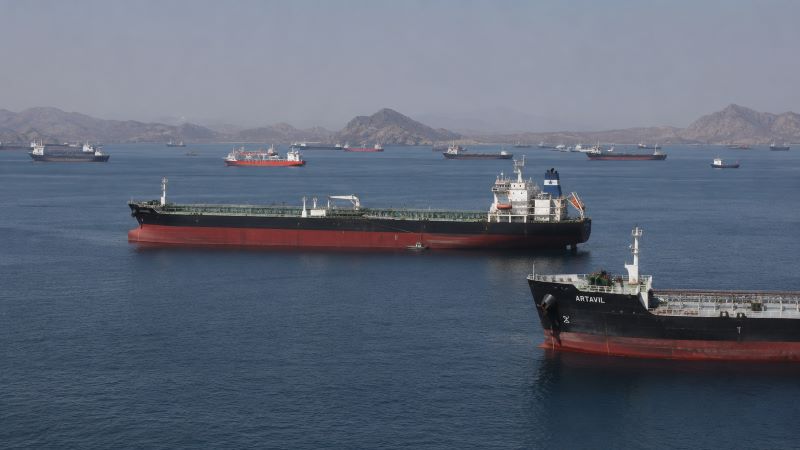
Iran has announced that transit through the strategically important Strait of Hormuz will remain suspended, blaming what it describes as the continued military actions of the United States in the region. The decision keeps one of the world’s busiest maritime routes under tight restrictions, raising fresh concerns over regional stability and global trade, according to Tasnim News Agency.
In a statement posted on its official X account on Friday, the Persian Gulf Strait Affairs Authority (PGSA) said that ships would not be allowed to pass through the waterway until conditions improve.
“Due to the continued aggressive actions of the United States military forces in the region, transit through the Strait of Hormuz is not possible,” the authority said. It added that applications for passage would be reviewed in the order they were received once “stability and calm” return, with permits issued gradually.
The Strait of Hormuz is one of the world’s most critical shipping lanes, serving as a major route for international oil and gas exports. Any disruption to traffic through the narrow waterway can have far-reaching effects on global energy markets and international commerce.
According to Iranian authorities, tighter controls were introduced after the United States and Israel launched what Tehran described as an unprovoked military campaign against Iran on February 28. Since then, Iran has required all vessels passing through the strait to comply with procedures established by its maritime authorities.
In May, Iran introduced a new navigation system requiring ships to coordinate their movements with Iranian officials and follow designated transit routes. Tehran also said that a later agreement, known as the Islamabad Memorandum of Understanding, recognised Iran’s role in managing navigation through the strait. Iranian officials argue that the continued presence and military activities of US forces in the area violate that understanding.
The latest announcement highlights the continuing tensions in the Persian Gulf, where security concerns and political disputes continue to shape one of the world’s most strategically important waterways.