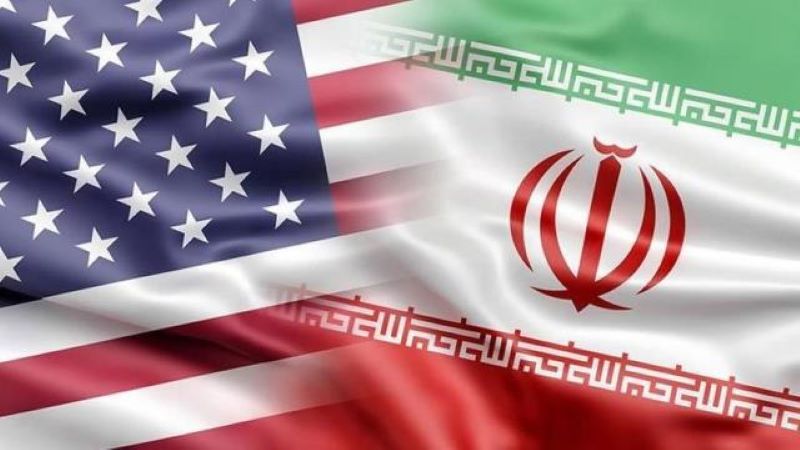
In a significant diplomatic move, Iran and the United States have commenced indirect nuclear negotiations in Muscat, Oman, aiming to address Tehran’s advancing nuclear program. The talks, mediated by Oman, involve Iranian Foreign Minister Abbas Araghchi and U.S. Middle East Envoy Steve Witkoff. This marks the third round of discussions, following previous meetings in Rome and Muscat, reported by GK News media.
The primary objective is to establish a framework where Iran would limit its uranium enrichment activities in exchange for relief from U.S.-imposed economic sanctions. While both sides express cautious optimism, significant disagreements persist. The U.S. demands a complete halt to Iran’s uranium enrichment, whereas Iran insists on maintaining some enrichment capacity, considering it a non-negotiable red line.
President Donald Trump has reiterated his preference for a diplomatic resolution but has not ruled out military action if talks fail. He emphasized the importance of reaching a deal to prevent Iran from acquiring nuclear weapons.
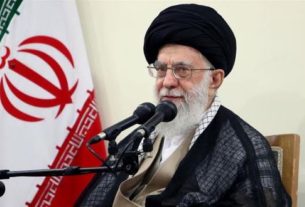
The Iranian leadership, facing economic challenges due to prolonged sanctions, shows a growing inclination toward negotiations. Supreme Leader Ayatollah Ali Khamenei has expressed support for an agreement, provided it does not compromise Iran’s nuclear infrastructure.
Oman continues to play a pivotal role as a mediator, facilitating communication between the two nations. Both parties have agreed to reconvene next week, with the hope of narrowing gaps and moving closer to a mutually acceptable agreement.
As the world watches closely, the outcome of these talks could significantly impact regional stability and global non-proliferation efforts.