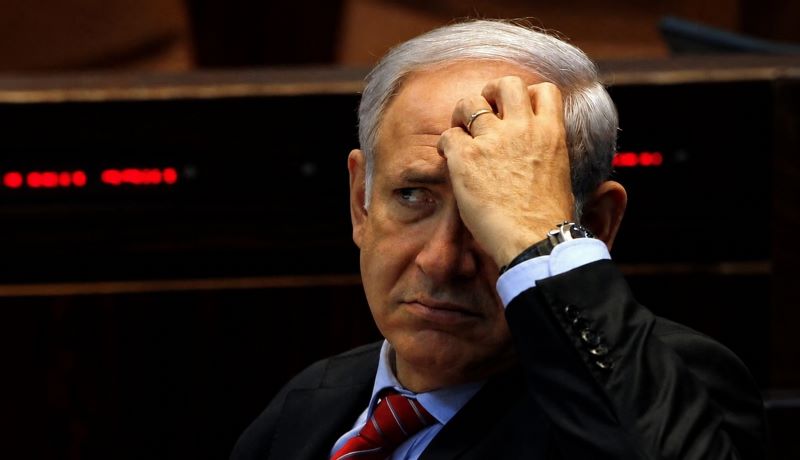
Israel’s parliamentary election has become more than a contest for seats in the Knesset. For Prime Minister Benjamin Netanyahu, it is a referendum on a political career built around promises of security, strength and eventual victory.
Netanyahu has long presented himself as the leader best able to protect Israel from its enemies. Yet the security failure of October 7, 2023, when Hamas led fighters crossed into southern Israel, killed about 1,200 people and took roughly 250 hostages, dealt a severe blow to that image, reported by Mehr News Agency. The attack exposed weaknesses in Israel’s intelligence services and military preparedness, forcing a national reckoning over how such a failure could occur.
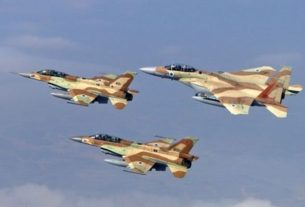
In the months that followed, Israel launched a large-scale military campaign in Gaza. The conflict later widened to include confrontation with Hezbollah in Lebanon and direct fighting with Iran. Netanyahu has portrayed these operations as evidence that Israel has restored its deterrence and weakened its adversaries.
But the central question facing voters is whether military force has produced lasting security. Critics argue that damage inflicted on militant groups does not necessarily bring political success, regional stability or an end to future threats. Gaza remains devastated, hostages have not all returned, and the possibility of renewed confrontation with Iran continues to shape Israeli security planning.
Iran sits at the heart of that debate. For years, Netanyahu has described Iran’s nuclear programme, missile capabilities and regional influence as Israel’s foremost strategic danger. He has argued that only firm leadership can prevent Tehran from gaining greater power.
Yet opponents say his repeated warnings have not produced a decisive resolution. A recent Channel 12 report alleged tensions between Netanyahu and military Chief of Staff Eyal Zamir over a possible new operation linked to Iran. Israeli officials have denied or questioned details of the reported dispute, but its publication before the election underlined the issue’s sensitivity.
Opposition leader Yair Lapid has accused Netanyahu of turning national security into election propaganda. He argues that the prime minister’s promise of “absolute victory” has not been matched by results. Such criticism challenges Netanyahu’s core political narrative from within Israel’s own political system.
The wider regional picture adds to the pressure. Israel has inflicted serious damage on Hamas and Hezbollah, but neither the war in Gaza nor the confrontation with Iran has produced a clear strategic settlement. Military pressure, critics say, has not forced a political surrender or removed the underlying causes of conflict.
The election remains uncertain. Published polls suggest that neither major bloc has a clear path to the 61 seats needed for a majority in the 120-member Knesset. Coalition negotiations after the vote may prove as important as the result.
For Netanyahu, the stakes extend beyond Likud’s seat count. He must answer for the failures of October 7, the costs of prolonged war, the strain on reserve soldiers, and the gap between promises and outcomes. His supporters point to his experience, hard-line security policies and his claim that Israel faces dangerous threats.
His opponents see the election as a chance to end Netanyahu’s long hold on power. For them, the vote is not simply about policy, but accountability.
Victory would allow him to continue shaping Israel’s security narrative. Defeat could end his political dominance and raise hard questions about his legacy.
Netanyahu can still speak of victory. But the election will test whether voters believe that word describes reality or a promise repeated too often.