WASHINGTON — Hope flickered over the Strait of Hormuz on Tuesday as US Treasury Secretary Scott Bessent said a deal with Iran to reopen the vital waterway could come as soon as Wednesday.
Speaking to CNBC, Bessent struck a hopeful, almost cautious tone. “We are in talks with the Iranians,” he said, “and I think there is a chance we may have a deal today or tomorrow to open the strait and move toward a more normalized position in this conflict.”
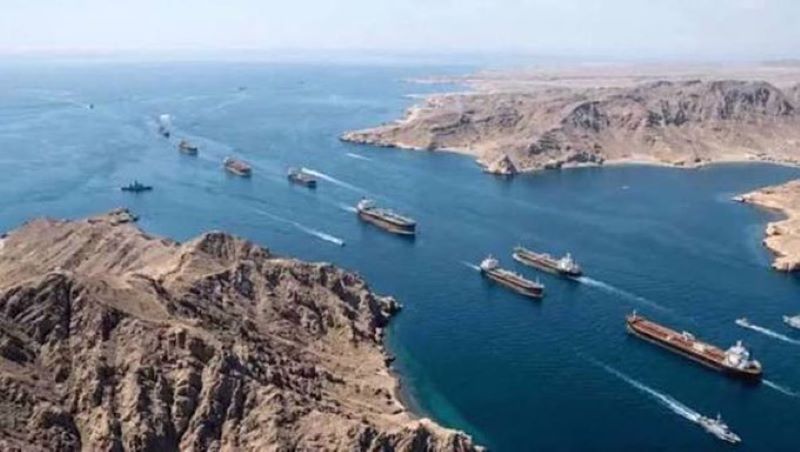
The strait, a narrow artery of global trade, has been choked by tension for days. Hundreds of ships sit anchored, waiting. Oil markets tremble. Families around the world feel the pinch at the pump. A deal, Bessent insisted, would calm those nerves, according to Arab News. “I’d expect the energy prices to settle back down,” he said. “Which, as I said, will be good for the entire world.”
When asked whether Iran might charge a toll for passage, Bessent smiled faintly. “I think it would be freedom of movement,” he replied a phrase that sounded more like a promise than a policy.
His words mirrored President Donald Trump’s stance from Monday. After stepping back from threats of a massive military strike, Trump said the waterway could reopen “within hours.” Yet reality remains messy. Iran’s foreign ministry denied any negotiations with Washington. And on Tuesday, an unknown projectile struck a cargo ship in the strait, a dark reminder that trust is thin and danger is close.
Still, Bessent sounded upbeat. “Even though things are still a little dicey there over the past few days,” he admitted, “we’ve seen quite a few ships coming out even now.”
For ordinary people, the stakes are simple: lower fuel bills, steadier shelves, fewer headlines about war. For diplomats, the challenge is delicate balancing pride, pressure, and the fragile hope that words, not weapons, will carry the day.
By Wednesday, the world may know if that hope was real or just another shadow on the water.