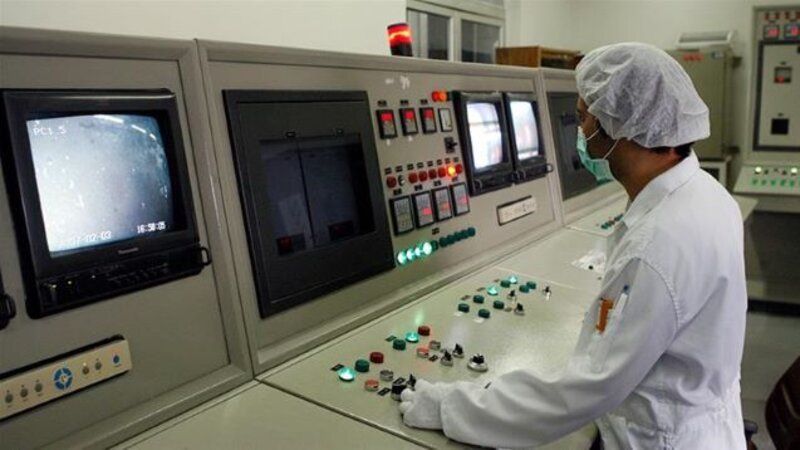
When American scientists installed a nuclear reactor in Tehran in the 1960s, it was seen as a gesture of goodwill, not a prelude to conflict, reported by NDTV. But decades later, U.S. warplanes would target Iranian nuclear sites, attempting to halt the very program they once helped nurture.
The story begins with President Dwight D. Eisenhower’s Atoms for Peace initiative, a Cold War-era effort to spread civilian nuclear technology among allies. Iran, then ruled by Shah Mohammad Reza Pahlavi—a pro-Western monarch eager to modernize—was a natural partner. Washington delivered the Tehran Research Reactor, trained Iranian scientists at institutions like MIT, and encouraged nuclear deals with Europe.
At the time, America’s focus wasn’t on proliferation risks, but on countering Soviet influence. “We gave Iran its starter kit,” recalled Robert Einhorn, a former U.S. arms control negotiator. “We weren’t terribly concerned about nuclear proliferation in those days.”
Iran’s ambitions grew quickly. Despite its vast oil reserves, the Shah viewed nuclear power as both a symbol of progress and a tool of strategic autonomy. France and West Germany signed multi-billion-dollar deals. U.S. media celebrated Iran’s embrace of atomic energy.
Yet beneath the optimism, concerns were simmering. Washington grew uneasy over Iran’s insistence on uranium enrichment—technically legal under the Nuclear Nonproliferation Treaty (NPT), but capable of both civilian and military uses. Efforts to impose restrictions came too late. The infrastructure was already in place.
Then came the 1979 Islamic Revolution. The Shah was deposed, and relations with the U.S. collapsed overnight. Initially, the new Islamic regime abandoned the nuclear project, dismissing it as a relic of the West.
But the Iran-Iraq war in the 1980s—marked by chemical attacks and staggering casualties—changed that calculus. The regime revived its nuclear ambitions, this time turning to Pakistan. Through Abdul Qadeer Khan’s illicit network, Iran acquired key components for uranium enrichment.
By the early 2000s, secret Iranian facilities were exposed. Tehran insisted it had the right to peaceful nuclear energy; the West suspected darker motives.
What followed was a cycle of sanctions, sabotage, and failed diplomacy. The 2015 nuclear deal offered a brief pause, until the U.S. withdrawal in 2018 reignited the crisis—closing the circle on a program the U.S. had once helped begin.