Austria’s households and businesses have faced a sharp rise in energy costs over the past six months, as the war involving Iran has pushed up international prices for oil and gas.
The Austrian Energy Agency said on Friday that the additional costs caused by the price increases had already reached billions of euros. Since the beginning of the conflict, the European gas price has doubled, while Brent crude oil has become about one-third more expensive.
The rise in gas prices alone is estimated to have cost Austria an additional €500 million. The European gas price, known as TTF, is currently around €66 per megawatt-hour—roughly twice its level before the war began.
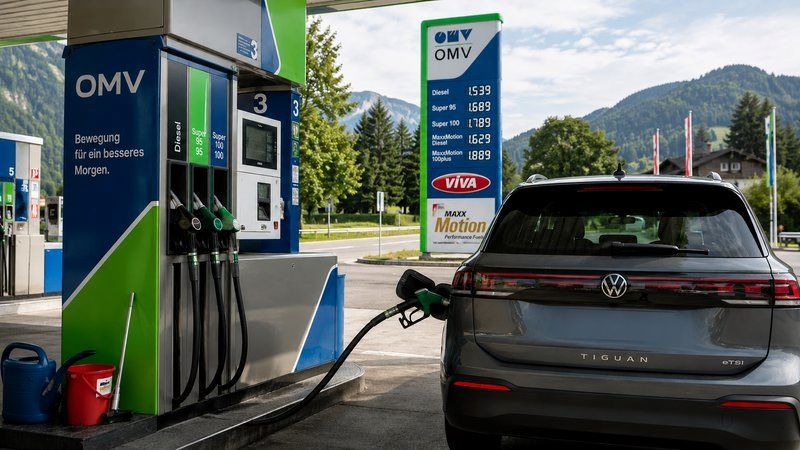
Diesel has created an even greater financial burden. According to the Energy Agency, Austria paid about €1.1 billion more for diesel during the six-month period, not including value-added tax.
In total, fuel expenses reached approximately €6 billion net. About 18 million litres of diesel are sold in Austria every day, meaning that international price movements quickly affect drivers, transport companies and businesses across the country.
A major part of the additional cost was linked to the rise in crude oil prices. The agency estimates that higher oil prices accounted for around €680 million of the extra diesel bill.
The price of Brent crude has changed dramatically during the crisis. It rose to as much as $120, or about €103, per barrel before falling to approximately $90. Before the war, Brent crude was trading at around $67 per barrel.
Austria normally imports coal, oil and gas worth between €9 billion and €10 billion each year. The latest increase in energy prices is therefore placing additional pressure on consumers and companies, while also raising concerns about the strength of the country’s wider economy.
For many Austrian families, the figures are being felt not in distant markets but in higher heating bills, more expensive journeys and rising business costs.