Gilgit-Baltistan, Pakistan – Violent protests broke out in Pakistan’s northern region of Gilgit-Baltistan after the assassination of Iran’s Supreme Leader, Ayatollah Ali Khamenei. At least 13 protesters were killed during clashes with security forces, and authorities imposed a region-wide curfew to control the situation.
Khamenei, 86, was reportedly killed on February 28 in a missile strike on his home in Tehran. Iranian officials said the attack was carried out jointly by the United States and Israel. Iran announced a 40-day mourning period, and several countries called for calm to prevent further conflict in the Middle East.
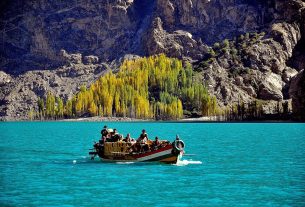
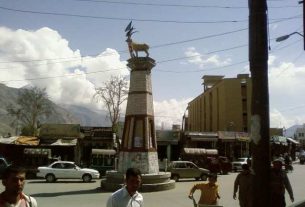
Gilgit-Baltistan, a mountainous region that borders China and has a Shia-majority population, reacted strongly to the news. Many people there consider Khamenei an important religious leader. Protests began on March 1 and quickly grew larger. Demonstrators shouted anti-U.S. and anti-Israel slogans and attacked buildings they believed were linked to the international community.
Offices connected to the United Nations, including those of the United Nations Military Observer Group in India and Pakistan and the United Nations Development Programme in Skardu and Gilgit, were set on fire. Police stations, schools, and charity offices were also damaged.
Clashes between protesters and security forces turned deadly. According to local reports, at least 13 people, including one security official, were killed. Several deaths were reported in both Gilgit and Skardu. Dozens more were injured, and hospitals declared emergencies to treat the wounded.
Human rights groups have raised concerns about the response of Pakistani authorities. Some witnesses and social media videos suggest that security forces may have used live ammunition and excessive force against protesters. Amnesty International has called for an independent investigation, stressing that while violence and destruction of property are unacceptable, the use of deadly force must follow strict legal standards.
The unrest was not limited to Gilgit-Baltistan. Protests were also reported in Karachi, Islamabad, Lahore, and Peshawar. In Karachi, at least 10 people were killed when protesters tried to approach the U.S. Consulate.
In response to the violence, Pakistani authorities imposed a three-day curfew in Gilgit, Skardu, Shigar, and nearby districts starting March 2. The army was deployed to help restore order. Officials said the curfew would remain in place until March 4, with limited exceptions for essential activities such as funerals.
Despite restrictions, large funeral prayers were held for those who died. Many in Pakistan’s Shia community, which makes up about 20% of the population, expressed grief and anger over Khamenei’s death.
International organizations have condemned the attacks on UN offices and called for restraint from all sides. As of March 3, tensions remain high in the region, which is usually known for its beautiful mountains and tourism but is now facing serious unrest.