Azad Kashmir Bleeds as Protests Turn Deadly; Rights Concerns Mount
MUZAFFARABAD, Pakistan-administered Kashmir — What began as demonstrations over soaring electricity tariffs and basic food costs has spiraled into bloodshed in Azad Jammu and Kashmir (AJK), leaving at least four people dead and more than a hundred wounded, according to hospital officials and police sources.
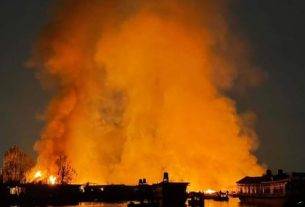
The violence erupted on Tuesday as members of the Awami Joint Action Committee (AJAC) rallied across several towns, demanding affordable access to daily essentials. Though organizers insisted the movement was peaceful, clashes with Pakistani security forces escalated rapidly. Eyewitnesses described scenes of chaos: tear gas thick in the air, bursts of gunfire, and stampedes through Muzaffarabad’s narrow streets.
Authorities confirmed that some demonstrators were armed, a claim strongly rejected by AJAC leaders, who accuse security units of using disproportionate force. “These were ordinary citizens, workers, shopkeepers, and students,” one protest organizer told reporters, dismissing official claims as an excuse for what he called “state violence.”
The fatalities included a young student in Muzaffarabad, sparking anger that reverberated on social media under the hashtag #AzadKashmirBleeds. Dozens of graphic videos and eyewitness accounts circulated across X (formerly Twitter), Telegram, and Facebook, fueling allegations of rights abuses. Reports of internet disruptions in some districts added to fears of a communications blackout, though a full shutdown has not been independently verified.
The unrest has exposed a deeper rift between AJK’s police, who in some areas reportedly tried to shield protesters, and federal paramilitary forces, including Pakistan’s Frontier Constabulary and Punjab Constabulary, accused of firing live rounds into crowds. “Our people were defending citizens,” said one senior AJK police officer, speaking on condition of anonymity.
International observers have not yet issued formal statements, but rights advocates warn the events in AJK highlight broader concerns about civic freedoms and accountability in Pakistan-administered Kashmir.
As night fell, the streets of Muzaffarabad remained tense but quieter, lined with shuttered shops and military checkpoints. Protest leaders vowed to continue their demonstrations until their demands were met, setting the stage for a prolonged confrontation.
For the people of Azad Kashmir, the crisis has blurred the line between protest and survival. “We only asked for bread and light,” said one wounded demonstrator from his hospital bed. “Instead, they answered us with bullets.”