

Austria has taken a major step toward shaping its economic future, as Finance Minister Markus Marterbauer announced that negotiations on the country’s 2027–2028 budget have been successfully completed.
Speaking on Saturday at a Social Democratic Party (SPÖ) gathering in Lower Austria, Marterbauer said the agreement was finalized earlier in the day, describing it as firmly “in place.” He called the plan a “savings budget,” aimed at controlling spending while still meeting key financial goals. However, he cautioned that global uncertainties, especially those linked to US President Donald Trump, could still affect outcomes.
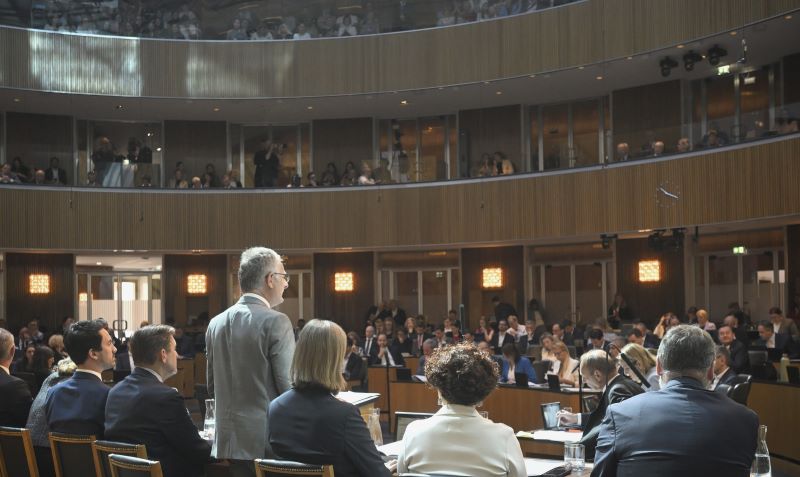
Although the full details will only be revealed during his budget speech in parliament on June 10, parts of the plan have already surfaced. Some of the proposed measures have sparked concern, including cuts affecting unemployed individuals and planned reductions in university funding, which have drawn strong criticism.
A key piece of legislation needed to implement many of these measures, the budget accompaniment law, has not yet been finalized. It is expected to enter review soon, but disagreements within the coalition government continue to delay progress. One major point of tension is whether companies should be required to contribute more to prevent workers from being temporarily placed in unemployment programs. Disputes have also arisen over proposed justice reforms tied to the budget.
There were also late stage discussions over defense spending, particularly regarding the replacement of Austria’s Eurofighter jets, though no clear outcome has been announced.
The budget is expected to include higher taxes on large companies, property, and alcohol, alongside cuts to certain social benefits. At the same time, the government is considering measures to reduce labor costs.
Further changes, including possible court mergers and stricter penalties, remain under discussion as Austria prepares for a challenging financial period.





