Europe is closing its doors a little further. The European Union is preparing tougher entry rules for Russian citizens, and the measures reach from former soldiers to ordinary tourists and athletes competing under the Russian flag.
The European Commission, together with the EU’s High Representative for Foreign and Security Policy, has proposed a 22nd package of sanctions against Russia. Travel restrictions sit at its heart.
One rule is already settled. Under the 21st package, anyone who has fought in Russia’s armed forces since 24 February 2022 is barred from entering the EU, whatever their nationality. The challenge now is enforcement. To help border officials spot such people, the Commission has issued revised guidelines and new tools, including a questionnaire on military service. Still, it is up to the member states, meeting in the Council, to decide when the ban actually takes effect.
“Anyone who fights on Russia’s side against Ukraine is not welcome in Europe,” said EU Commissioner Magnus Brunner, of Austria’s ÖVP. Member states, he promised, will get the means to identify former fighters and turn them away.
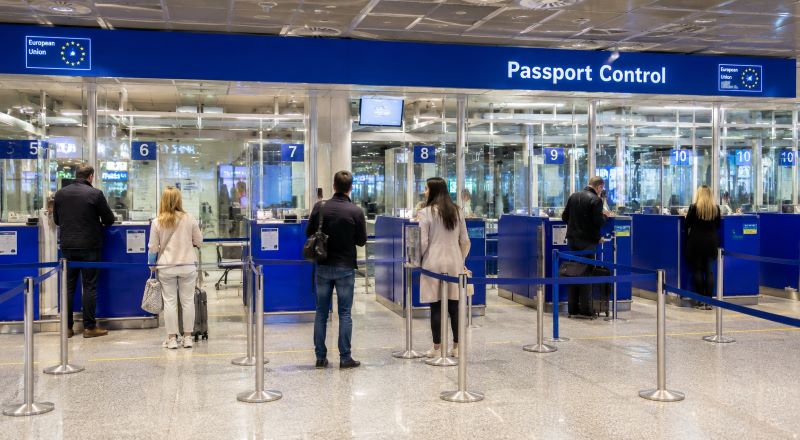
Ordinary travellers will feel the change too. Tourist visas are to be granted only in clearly justified individual cases, and every person arriving from Russia at the EU’s external borders will face an individual check. Those who are refused will be entered into the shared EU search system, so they cannot simply try their luck at another crossing.
Sport and culture are not spared. Once the ban applies, Russian athletes will no longer be allowed to compete in the EU in the name of the Russian state. Member states will be able to reject visas for individuals and teams representing Russia, flying its flag or displaying other national symbols. Artists backed by Russian authorities will also come under closer scrutiny. Brunner stressed that the aim is to stop athletes from becoming showpieces for the war of aggression.
Yet the door is not shut on everyone. Protection remains for those who have good reason to leave Russia: human rights defenders, opposition figures and independent journalists.
The numbers show how far Europe has already moved. Before the war, the EU issued around four million visas to Russians every year. In 2025, that figure had shrunk to roughly 618,000. For the new package to become reality, the member states must still give their approval.