

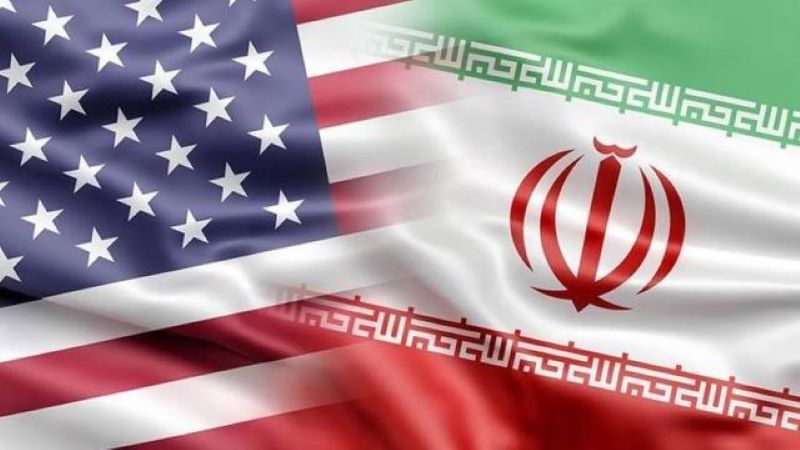
U.S. and Iranian officials met in Geneva on Thursday for a third round of indirect talks that many observers see as a crucial effort to prevent a wider conflict in the Middle East, according to BBC News. The negotiations come as President Donald Trump has warned he may order military strikes on Iran if a new nuclear agreement is not reached.
The discussions lasted about three hours before being paused. Oman’s foreign minister, Badr Albusaidi, who is serving as mediator, said both sides had shared “creative and positive ideas” and would return after a break. “We hope to make more progress,” he said. Despite the encouraging tone, major disagreements remain and the chances of a final deal are still uncertain.
The talks are taking place against a backdrop of rising military tension. The United States has deployed thousands of additional troops, along with warships, aircraft carriers, fighter jets, and refueling planes to the region. It is the largest American military buildup in the Middle East since the U.S. led invasion of Iraq in 2003. Iran, in turn, has warned it will respond forcefully to any attack.
Although Trump has said he prefers diplomacy, he has also openly considered a limited strike to pressure Iran’s leaders into accepting U.S. demands. However, his administration has not clearly explained what exact conditions it seeks or why military action might be necessary now especially since the United States and Israel already carried out airstrikes on Iranian nuclear facilities eight months ago during a regional conflict.
Iran has firmly rejected Washington’s demand that it stop enriching uranium on its own soil, calling this a matter of national sovereignty. Still, Iranian officials have signaled they may be willing to accept some limits on their nuclear activities. Iran insists its nuclear program is peaceful, but Western countries and Israel accuse Tehran of trying to secretly develop nuclear weapons. Iran remains the only country without nuclear arms that has enriched uranium close to weapons-grade levels.
As in earlier rounds this month, Iran’s delegation is led by Foreign Minister Abbas Araghchi. The U.S. side includes special envoy Steve Witkoff and Trump’s senior adviser and son-in-law, Jared Kushner.
In a recent address to Congress, Trump briefly mentioned Iran, warning that Tehran was building missiles that could “soon” reach the United States. He also accused Iran of restarting its nuclear weapons efforts after last year’s strikes, declaring he could not allow what he called the “world’s number one sponsor of terror” to obtain such weapons. Iranian officials strongly rejected these claims, accusing Washington of spreading “big lies.”
Iran has said it halted enrichment activities at damaged sites after last year’s attacks, though it has not yet allowed inspectors from the International Atomic Energy Agency to fully examine them. Meanwhile, Tehran has suggested new ideas in the talks, including a regional uranium enrichment partnership and international monitoring of its stockpile of highly enriched uranium, estimated at about 400 kilograms.
In exchange, Iran seeks relief from harsh economic sanctions that have severely strained its economy. Critics of Iran’s government argue that lifting sanctions would strengthen the ruling clerical leadership. Still, Iran has already ruled out negotiations on two key issues demanded by the U.S. and Israel: limits on its ballistic missile program and the end of its support for allied armed groups across the region.
U.S. officials are reportedly considering military options if talks fail, ranging from targeted strikes on nuclear or military sites to a broader campaign aimed at weakening Iran’s leadership under Supreme Leader Ali Khamenei. Iran has warned that any attack would trigger retaliation against American forces and Israeli targets in the region.
Regional allies fear that conflict could quickly spread, while Israeli Prime Minister Benjamin Netanyahu has argued that any deal must address Iran’s missiles and regional alliances.
For now, diplomacy continues but the stakes remain stark. Between the promise of negotiation and the threat of war, both nations stand at a fragile and dangerous crossroads.





